Category: Uncategorized

  • Asgard’s Einherjar: The Undead Warriors of Valhalla — Their Roles, Responsibilities, and Significance

    Asgard’s Einherjar: The Undead Warriors of Valhalla — Their Roles, Responsibilities, and Significance

    Asgard’s Einherjar: The Undead Warriors of Valhalla — Their Roles, Responsibilities, and Significance

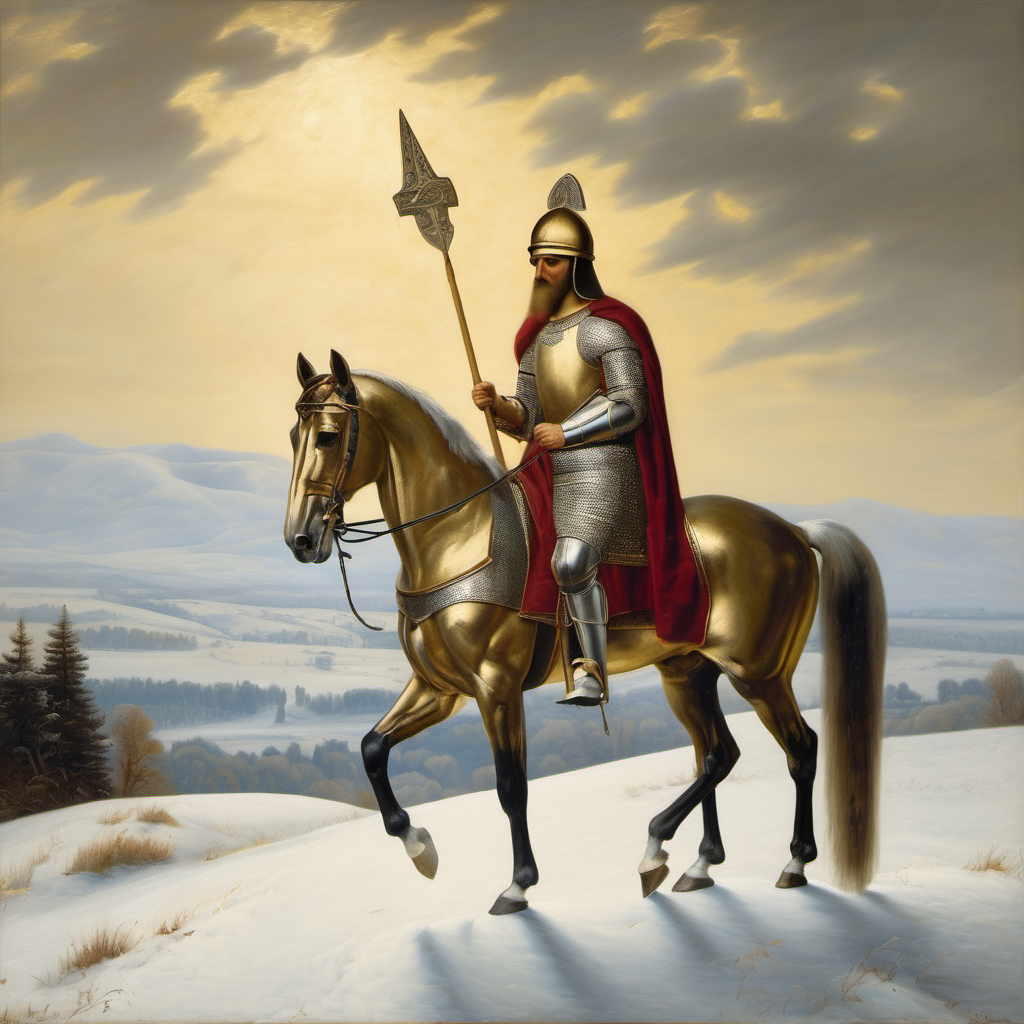
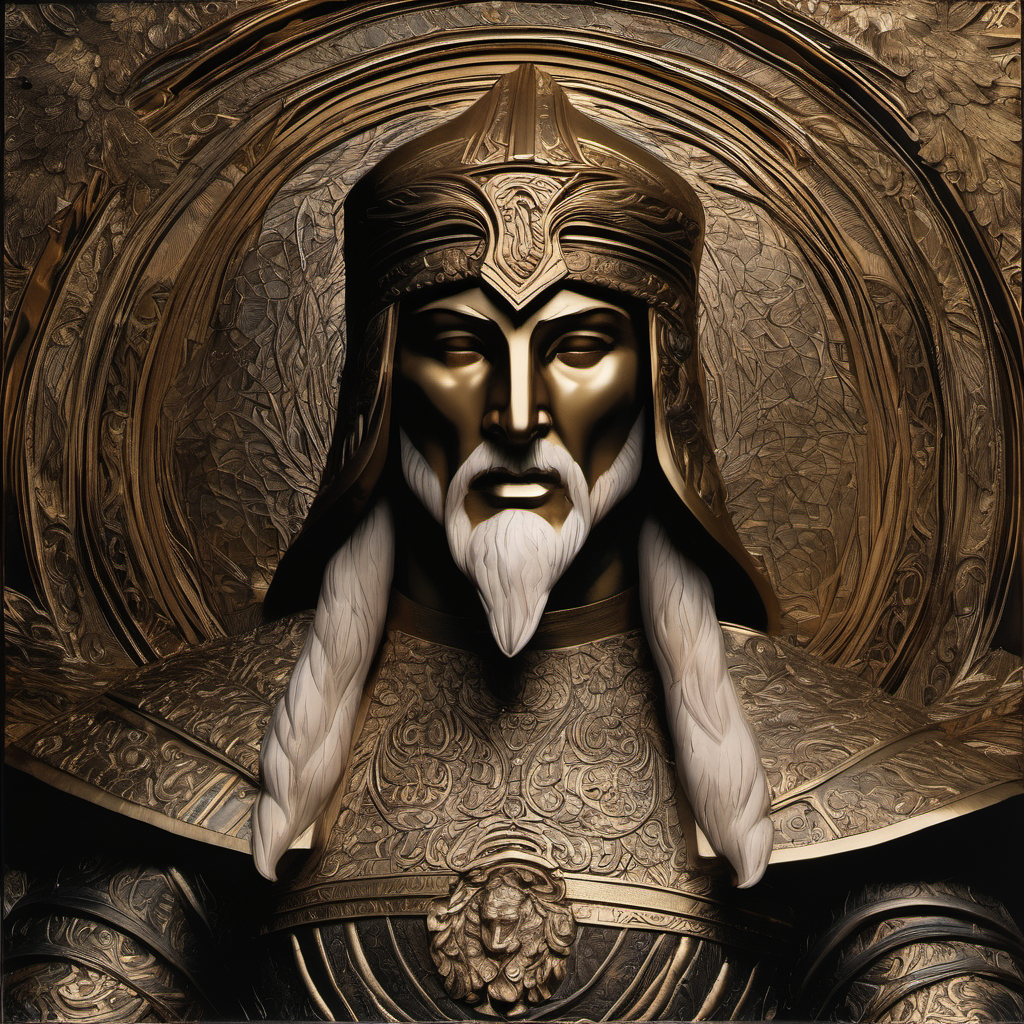
    In Norse mythology, the Einherjar are a select group of warriors who have died bravely in battle and are brought to Valhalla, the heavenly abode of the gods. These undead soldiers play a crucial role in the grand halls of Asgard, serving as the personal guard of the god Odin.

    • Roles: The Einherjar are tasked with preparing for the final battle of Ragnarök by fighting against the Jotun (giant) Hrimfaxi and other monstrous creatures that threaten the realms. They also engage in friendly battles, known as the “Wild Hunt,” to entertain the gods.
    • Responsibilities: The Einherjar are responsible for maintaining the walls of Valhalla, ensuring the security and integrity of Asgard. They must also ready themselves for battle, sharpening their skills and preparing for the eventual fight against the forces of chaos.
    • SIGNIFICANCE: The Einherjar embody the values of courage, honor, and loyalty, serving as a symbol of the highest ideals of Norse warriors. Their presence in Valhalla reinforces the bonds between gods and mortals, demonstrating that even in death, the greatest heroes can find new purpose and meaning.

    “The Einherjar are those who have died bravely in battle, their names written on the wall of Odin’s hall.” – Snorri Sturluson, Prose Edda

    As the gods’ personal guard, the Einherjar are an integral part of Asgard’s defense. Their unwavering dedication and unrelenting valor make them a formidable force against any foe. In the face of Ragnarök, they will stand shoulder-to-shoulder with the gods, fighting to preserve the realms and ensure their own eternal glory.

    For more information on Norse mythology and the Einherjar, visit: Wikipedia: Einherjar
  • Unraveling the Mystery of Fenrir’s Binding — What Does it Represent in Norse Mythology?

    Unraveling the Mystery of Fenrir’s Binding — What Does it Represent in Norse Mythology?

    Unraveling the Mystery of Fenrir’s Binding — What Does it Represent in Norse Mythology?

    In Norse mythology, the binding of Fenrir, the giant wolf, is a pivotal event that signifies the end of the world, Ragnarök. As the prophecy unfolds, the gods and goddesses are faced with an insurmountable challenge: how to restrain the enormous wolf, whose release would mark the beginning of the apocalypse.

    • A mythological necessity: The binding of Fenrir is a testament to the powerlessness of even the most mighty gods. As stated in the Poetic Edda, “The binding of Fenrir was not made by the gods alone; it was done with the assistance of dwarves and elves.” This highlights the cooperation between different realms, emphasizing that even the strongest forces can be outwitted by a collective effort.
    • A symbol of chaos: Fenrir’s binding represents the eternal struggle between order and chaos. In Norse mythology, the wolf embodies the destructive power of nature, which must be contained to ensure the stability of the world. This dichotomy serves as a metaphor for the human experience, where individuals must balance their own chaotic desires with the need for structure and discipline.
    • A foreshadowing of Ragnarök: The binding of Fenrir is a harbinger of the impending doom that will befall the world during Ragnarök. As the gods attempt to bind the wolf, they are unaware that this very act will ultimately lead to their own downfall. This serves as a cautionary tale about the futility of attempting to control or manipulate forces beyond one’s control.

    As the Norse mythologies unfold, the binding of Fenrir remains an enigmatic and intriguing aspect of Ragnarök. According to the Prose Edda, “The gods bound Fenrir with six impossible things: the sound of a cat’s foot, the beard of a woman, the roots of a mountain, the sinews of a fish, the spittle of a bird, and the breath of a whale.” This seemingly absurd combination of elements serves as a poignant reminder that even the most powerful forces can be outwitted by cleverness and cunning.

    As we delve deeper into the mysteries of Norse mythology, the binding of Fenrir remains an essential chapter in the narrative of Ragnarök. It is a testament to the ingenuity and resourcefulness of the gods, as well as a poignant reminder of the futility of attempting to control the uncontrollable.

    “The end of all things will come when the wolf’s bonds are broken.” — The Prose Edda

    For further exploration of Norse mythology and its significance in modern times, consider reading Wikipedia’s comprehensive guide or exploring the works of renowned scholars such as Rudolf Simek.

  • The Nine Worlds’ Connection to Modern Society — Unpacking the Timeless Themes and Symbolism

    The Nine Worlds’ Connection to Modern Society — Unpacking the Timeless Themes and Symbolism

    The Nine Worlds’ Connection to Modern Society — Unpacking the Timeless Themes and Symbolism

    In Norse mythology, the Nine Worlds are a fascinating concept that has captivated human imagination for centuries. These interconnected realms, each with its own unique characteristics and inhabitants, offer valuable insights into the human condition. In this article, we’ll delve into the symbolism and timeless themes of the Nine Worlds and explore their connection to modern society.

    • The First World: Asgard – Heaven and Home
      • “Asgard is where gods dwell, and the Einherjar, those who have died a heroic death.” — Snorri Sturluson, Prose Edda
      • Asgard represents the realm of the divine, where the gods reside. This symbolism resonates with modern society’s quest for spiritual connection and meaning.
    • The Second World: Jotunheim – The Realm of Giants
      • “The Jotun are the giants, and their realm is Jotunheim.” — Snorri Sturluson, Prose Edda
      • Jotunheim symbolizes the power of nature and the importance of respecting the natural world. In modern society, we see parallels in environmentalism and conservation efforts.
    • The Third World: Svartalfheim – The Realm of Dwarves
      • “The dwarves are called the svartalfar, and their realm is Svartalfheim.” — Snorri Sturluson, Prose Edda
      • Svartalfheim represents the realm of craftsmanship and ingenuity. In modern society, we see this reflected in innovative technologies and entrepreneurial spirit.
    • The Fourth World: Niflheim – The Realm of Mist
      • “Niflheim is the land of mist and darkness.” — Snorri Sturluson, Prose Edda
      • Niflheim symbolizes the unknown, the mysteries of death, and the darkness that lies within. In modern society, we see parallels in psychology and the exploration of human consciousness.
    • The Fifth World: Muspelheim – The Realm of Fire
      • “Muspelheim is the land of fire and smoke.” — Snorri Sturluson, Prose Edda
      • Muspelheim represents the primal forces of nature and the destructive power of chaos. In modern society, we see parallels in conflict resolution and international cooperation.
    • The Sixth World: Vanaheim – The Realm of the Vanir
      • “The Vanir are a tribe of gods who dwell in Vanaheim.” — Snorri Sturluson, Prose Edda
      • Vanaheim symbolizes the realm of fertility and abundance. In modern society, we see parallels in agriculture and sustainability initiatives.
    • The Seventh World: Alfheim – The Realm of Light
      • “Alfheim is the land of light elves.” — Snorri Sturluson, Prose Edda
      • Alfheim represents the realm of beauty and creativity. In modern society, we see parallels in art, music, and human expression.
    • The Eighth World: Midgard – The Realm of Humans
      • “Midgard is the world of men.” — Snorri Sturluson, Prose Edda
      • Midgard symbolizes the human experience and our place within the natural world. In modern society, we see parallels in environmentalism and social justice movements.
    • The Ninth World: Hel – The Realm of the Dead
      • “Hel is the land of the dead.” — Snorri Sturluson, Prose Edda
      • Helm represents the unknown and the mysteries of death. In modern society, we see parallels in psychology and the exploration of human consciousness.

      “The Nine Worlds are not separate realms, but interconnected threads that weave together to form a tapestry of meaning.” — Anonymous

      In conclusion, the Nine Worlds offer profound insights into the human condition. By exploring these timeless themes and symbolism, we can gain a deeper understanding of ourselves and our place within the natural world. As we navigate modern society’s complexities, it is essential to recognize the connections between ancient mythology and contemporary issues.

  • Odin’s Quest for Knowledge: A Look at his Role as a Patron of Wisdom

    Odin’s Quest for Knowledge: A Look at his Role as a Patron of Wisdom

    Odin’s Quest for Knowledge: A Look at his Role as a Patron of Wisdom

    • In Norse mythology, Odin is often depicted as the god of wisdom, poetry, and war – a complex figure with many faces.
    • This article will delve into Odin’s role as a patron of wisdom, exploring what drives his quest for knowledge and how he inspires others to do the same.

    Odin’s Pursuit of Wisdom

    Odin’s fascination with wisdom is deeply rooted in his own experiences. According to myth, he sacrificed an eye in exchange for a sip of mead from the Well of Mimir – a source of ancient wisdom. This act symbolizes his willingness to surrender something precious in pursuit of knowledge.

    “Wisdom is better than strength.”

    — Odin’s quote, as recorded by medieval Icelandic sagas

    Odin’s quest for wisdom is not limited to personal gain; he seeks to share his insights with others. As the All-Father, he is revered as a patron of wisdom, inspiring countless individuals throughout history.

    Teaching and Mentoring

    Odin’s role as a mentor is just as significant as his pursuit of wisdom. He shares his knowledge with those who seek it, often through riddles and prophecies. This approach not only tests the seeker’s understanding but also encourages them to think critically.

    “A good warrior never seeks victory without first considering defeat.”

    — Odin’s advice to the Viking warriors

    Odin’s wisdom is not limited to battle strategies; he shares his insights on life, love, and the human condition. His teachings emphasize the importance of living in harmony with nature and respecting the natural balance.

    Inspiring Future Generations

    Odin’s legacy extends far beyond his own lifetime. He has inspired countless individuals throughout history to pursue wisdom, including great leaders, poets, and philosophers. His influence can be seen in various cultures, from the Vikings to modern-day pagans.

    “The earth has music for those who listen.”

    — Odin’s quote, as recorded by medieval Icelandic sagas

    In conclusion, Odin’s role as a patron of wisdom is a testament to his enduring legacy. His pursuit of knowledge and willingness to share it with others have made him an iconic figure in Norse mythology.

    Further Reading:

  • From Mortal to God: The Transformation of Heroes in Norse Mythology

    From Mortal to God: The Transformation of Heroes in Norse Mythology

    From Mortal to God: The Transformation of Heroes in Norse Mythology

    Norse mythology is renowned for its complex pantheon and captivating stories of heroes who rose from mortal status to godhood. This transformation, often marked by a series of trials and tribulations, is a recurring theme throughout the myths. In this article, we’ll delve into the fascinating tales of three Norse heroes – Odin, Thor, and Freyja – and explore how they achieved divine status.

    Odin: The All-Father

    According to Norse mythology, Odin was once a mortal man who became the leader of the Aesir gods. His journey to godhood began when he sacrificed his eye in exchange for wisdom and knowledge from the giant Mimir. This act symbolized Odin’s willingness to undergo transformation and earn his place among the divine.

    “Whoever seeks wisdom must first sacrifice something precious,” Odin is quoted as saying in the Poetic Edda. “I gave up my eye, but gained the power of insight.”

    Thor: The God of Thunder

    Thor, known for his incredible strength and hammer Mjolnir, was once a mortal man. His transformation began when he married the goddess Sif, who gifted him with her golden hair. This union granted Thor divine status, solidifying his place among the Aesir gods.

    “Those who fear me are wise,” Thor declares in the Prose Edda. “For I am the defender of Asgard and the protector of humanity.”

    Freyja: The Goddess of Love

    Freyja’s journey to godhood is shrouded in mystery, but it is believed she was once a mortal queen who earned her divine status through her unyielding devotion to her husband, Odr. When Odr disappeared, Freyja searched the nine worlds for him, ultimately sacrificing herself and gaining entry to the realm of the dead, Helheim.

    “I will follow you even into death,” Freyja says in the Poetic Edda. “For love is more powerful than any mortal force.”

    Conclusion

    The transformation of heroes in Norse mythology serves as a testament to the power of sacrifice, devotion, and determination. Odin’s willingness to give up his eye, Thor’s marriage to Sif, and Freyja’s unwavering love for Odr all exemplify the extraordinary measures these heroes took to achieve divine status. As we reflect on their journeys, we are reminded that even mortal beings can strive for greatness, just as the Norse heroes did.

    Learn more about Norse mythology and its fascinating characters at [www.norse-mythology.org](http://www.norse-mythology.org). Explore the Poetic Edda and Prose Edda, two of the most important sources of Norse mythology, on [www.gutenberg.org](http://www.gutenberg.org).

  • Ragnarök: A Study of Doom and Destruction — Exploring the Causes and Consequences of the End Times

    Ragnarök: A Study of Doom and Destruction — Exploring the Causes and Consequences of the End Times

    Ragnarök: A Study of Doom and Destruction — Exploring the Causes and Consequences of the End Times

    As the world continues to grapple with the implications of climate change, nuclear proliferation, and pandemics, it’s natural to wonder if we’re living in a time of unprecedented crisis. In Norse mythology, this phenomenon is known as Ragnarök – a catastrophic event that marks the end of the world and everything in it. In this article, we’ll delve into the causes and consequences of Ragnarök, exploring what drives such apocalyptic events and how they shape our understanding of the cosmos.

    Causes of Ragnarök

    According to Norse mythology, Ragnarök is triggered by a series of events that set the wheels of destruction in motion. One of the primary causes is the breaking of the bonds between the giants (Jotun) and the gods (Aesir). This conflict ultimately leads to the final battle between the two factions, known as Ragnarök.

    “The great fire will ignite, and the world will burn.” – Voluspa, an Old Norse poem

    Other factors contributing to Ragnarök include:

    • Nuclear war**: The fear of a catastrophic conflict between nations or factions that could wipe out entire civilizations.
    • Environmental degradation**: The devastating impact of human activities on the planet, leading to ecological collapse.
    • Economic collapse**: A complete breakdown of the global economy, causing widespread poverty and societal disintegration.

    Consequences of Ragnarök

    As the end times approach, the consequences of Ragnarök become increasingly dire. The gods themselves will fall, along with many of the major figures in Norse mythology. The world will be consumed by fire and darkness, signaling the beginning of a new era.

    • Global destruction**: The total annihilation of human civilization and all life on Earth.
    • Eternal winter**: A perpetual state of cold and darkness that grips the planet.
    • A New World Order**: The rise of a new world order, born from the ashes of the old.

    Conclusion: Understanding Ragnarök in Modern Times

    While the concept of Ragnarök may seem distant or even fantastical, it serves as a powerful cautionary tale about the dangers of unchecked power and environmental degradation. As we navigate the complexities of our own apocalyptic scenarios, it’s crucial to consider the lessons learned from ancient mythology.

    As the great seer Odin once said:

    “The end is nigh, and the world will burn.” – The Poetic Edda

    For more information on Ragnarök and its implications for modern society, visit these resources:

    * Wikipedia: Ragnarök
    * Britannica: Ragnarök

    By exploring the causes and consequences of Ragnarök, we can gain a deeper understanding of the world’s fragility and our own role in shaping its destiny.

  • The All-Seeing Eye of Odin — Unpacking its Symbolism and Significance

    The All-Seeing Eye of Odin — Unpacking its Symbolism and Significance


    The All-Seeing Eye of Odin — Unpacking its Symbolism and Significance

    The All-Seeing Eye of Odin — Unpacking its Symbolism and Significance

    In Norse mythology, the all-seeing eye of Odin is an enigmatic symbol that has captivated the imagination of scholars and enthusiasts alike. This fascinating icon is deeply rooted in the mythology and cosmology of the ancient Scandinavians.

    • Mythological Context: The all-seeing eye of Odin is often depicted as a piercing gaze that can see through illusions, deception, and even time itself. According to legend, this powerful eye allows Odin to perceive the world in its entirety, granting him unparalleled wisdom and insight.
    • Symbolism: The eye represents the ultimate power of discernment, intuition, and perception. It signifies the ability to cut through confusion, deception, and chaos, revealing the truth and the hidden nature of reality.
    • Significance: The all-seeing eye of Odin has far-reaching implications for our understanding of Norse mythology and cosmology. It highlights the importance of wisdom, intuition, and perception in navigating the complexities of life.

    “The eye that sees through the veil is the eye of Odin.” — Unknown author (Source: Norse Mythology)

    As we delve deeper into the symbolism and significance of the all-seeing eye, it becomes clear that this powerful icon continues to captivate our imagination. Its message remains relevant today: trust in your intuition, cultivate wisdom, and see through the veil of deception.


  • Unlocking the Secrets of Hel’s Realm — What Does it Represent in Norse Mythology?

    Unlocking the Secrets of Hel’s Realm — What Does it Represent in Norse Mythology?

    Unlocking the Secrets of Hel’s Realm — What Does it Represent in Norse Mythology?

    In Norse mythology, Hel’s realm is a mysterious and often misunderstood place. As the goddess of death and the afterlife, Hel’s domain is a dark and foreboding land known as Nágrind or Niflheim. But what secrets does this realm hold, and what can we learn from it?

    • Hel’s Role in Norse Mythology: As the goddess of death, Hel is often depicted as a cold and unforgiving figure. Her realm is said to be a place where souls go after death, unless they are chosen by the gods or die a heroic death.
    • “In the old days, there was not so much evil in the world,” says Snorri Sturluson, an Icelandic historian and poet. “But when men had grown more wicked, then Hel’s power grew greater.”
    • The realm of Hel is said to be a place of darkness and cold, where the dead wander aimlessly. But it’s also a place where the gods themselves are not immune to its power.

    Despite being a place of death and darkness, Hel’s realm holds many secrets and mysteries. According to myth, the river Gjoll marks the boundary between the world of the living and the afterlife. Those who cross it are said to be doomed to spend eternity in Hel’s realm.

    “The dead were not all alike,”

    says J.R.R. Tolkien, a renowned author and scholar of Norse mythology. “Some went to Valhalla, some to Hel, and some to the fields of the earth.”

    But what can we learn from Hel’s realm? Perhaps it’s that death is a natural part of life, and that even in darkness, there can be beauty and mystery.

    Unlocking the Secrets of Hel’s Realm

    Hel’s realm may seem like a bleak and unforgiving place, but it holds many secrets and mysteries. By exploring its mythology and symbolism, we can gain a deeper understanding of the human experience and our place in the world.

    • Death as a Natural Part of Life: Hel’s realm reminds us that death is a natural part of life, and that it’s not something to be feared or avoided.
    • “The greatest glory in living lies not in never falling, but in rising every time we fall.” says Nelson Mandela. Similarly, the secrets of Hel’s realm teach us to face our mortality with courage and acceptance.

    Conclusion

    Hel’s realm may be a mysterious and often misunderstood place, but it holds many secrets and mysteries waiting to be unlocked. By exploring its mythology and symbolism, we can gain a deeper understanding of the human experience and our place in the world.

  • Valkyrie Psychology 101: Understanding their Roles, Responsibilities, and Emotional Depth

    Valkyrie Psychology 101: Understanding their Roles, Responsibilities, and Emotional Depth

    Valkyrie Psychology 101: Understanding their Roles, Responsibilities, and Emotional Depth

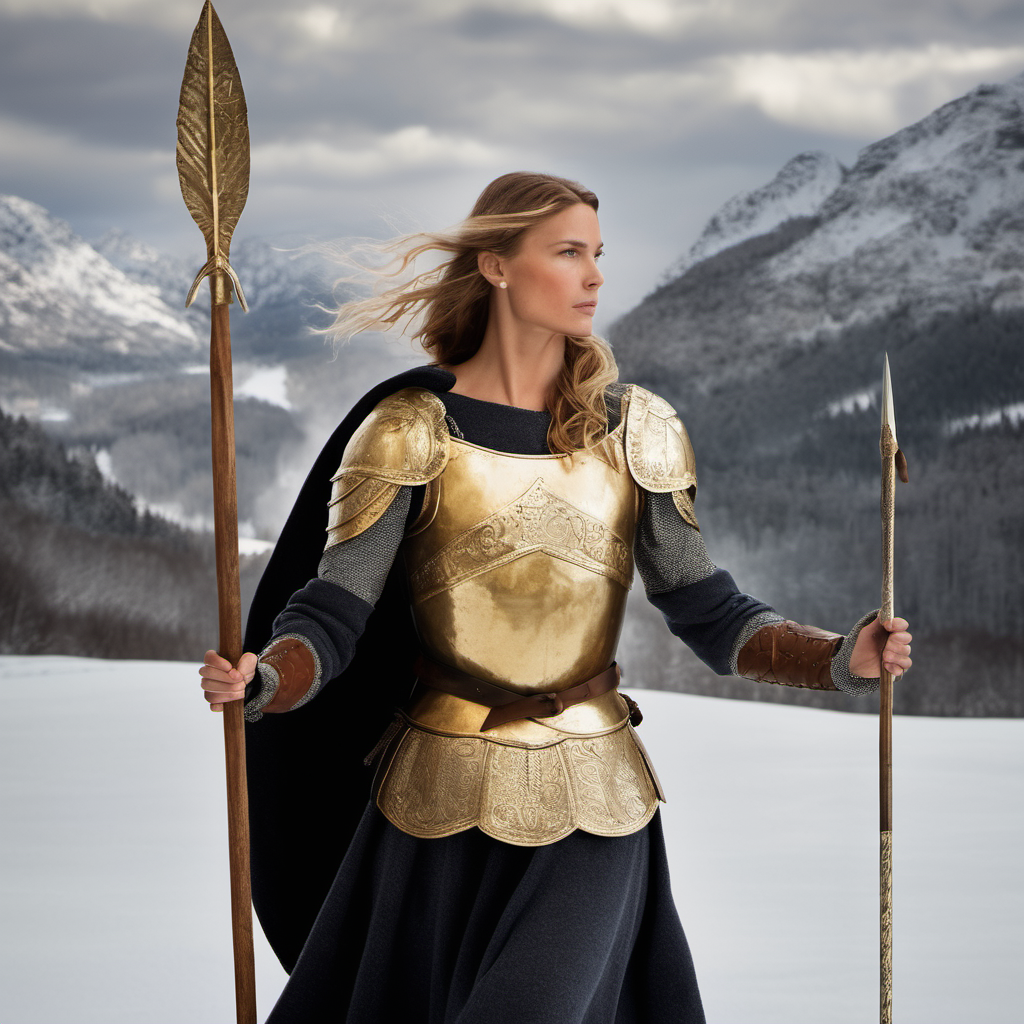
    In Norse mythology, Valkyries are often depicted as fierce warrior women who choose which warriors die in battle and take them to Valhalla. But what lies beneath the surface of these enigmatic figures? In this article, we’ll delve into the psychology behind their roles, responsibilities, and emotional depth.

    Choosing Life and Death

    As Valkyries, they hold the power to decide which warriors meet their demise on the battlefield. This responsibility can be a heavy burden, causing feelings of guilt, anxiety, and empathy. According to Dr. Maria del Pilar Rodríguez, “Valkyries are not just harbingers of death; they are also witnesses to the human condition. Their role requires an incredible capacity for emotional regulation and compassion.”

    • Empathy:** Valkyries must develop a deep understanding of human emotions, allowing them to make informed decisions about who lives or dies.
    • Grief:** The weight of their responsibility can lead to feelings of grief and loss, as they witness the sacrifice of countless warriors.

    The Price of Selective Attention

    As collectors of fallen warriors, Valkyries must focus on a select few, leaving countless others behind. This selective attention can be emotionally taxing, leading to feelings of isolation and disconnection.

    “It’s not just about choosing who lives or dies; it’s about bearing witness to the entirety of human experience.” – Dr. Rodríguez

    • Isolation:** Valkyries often find themselves disconnected from the world, as they focus on their solemn duties.
    • Burnout:** The emotional toll of constant exposure to trauma and death can lead to feelings of exhaustion and burnout.

    The Psychology of Selective Mourning

    When a Valkyrie chooses a warrior for Valhalla, she must grieve the loss of that individual, while simultaneously acknowledging their sacrifice. This selective mourning process allows her to cope with the weight of her responsibility.

    • Catharsis:** Through grief and mourning, Valkyries can find emotional release and closure.
    • Resilience:** Their ability to cope with trauma and loss demonstrates remarkable resilience and emotional strength.

    In conclusion, the role of a Valkyrie is not just about choosing life or death; it’s about carrying the weight of human emotions, bearing witness to the entirety of human experience, and coping with the trauma that comes with their responsibilities. As we explore the psychological depth of these enigmatic figures, we gain a deeper understanding of the complexities of the human condition.

    Learn more about Valkyries in Norse mythology.

  • Asgard’s Architecture: Deciphering the Symbols and Meanings Behind the Gods’ Abodes

    Asgard’s Architecture: Deciphering the Symbols and Meanings Behind the Gods’ Abodes


    Asgard’s Architecture: Deciphering the Symbols and Meanings Behind the Gods’ Abodes

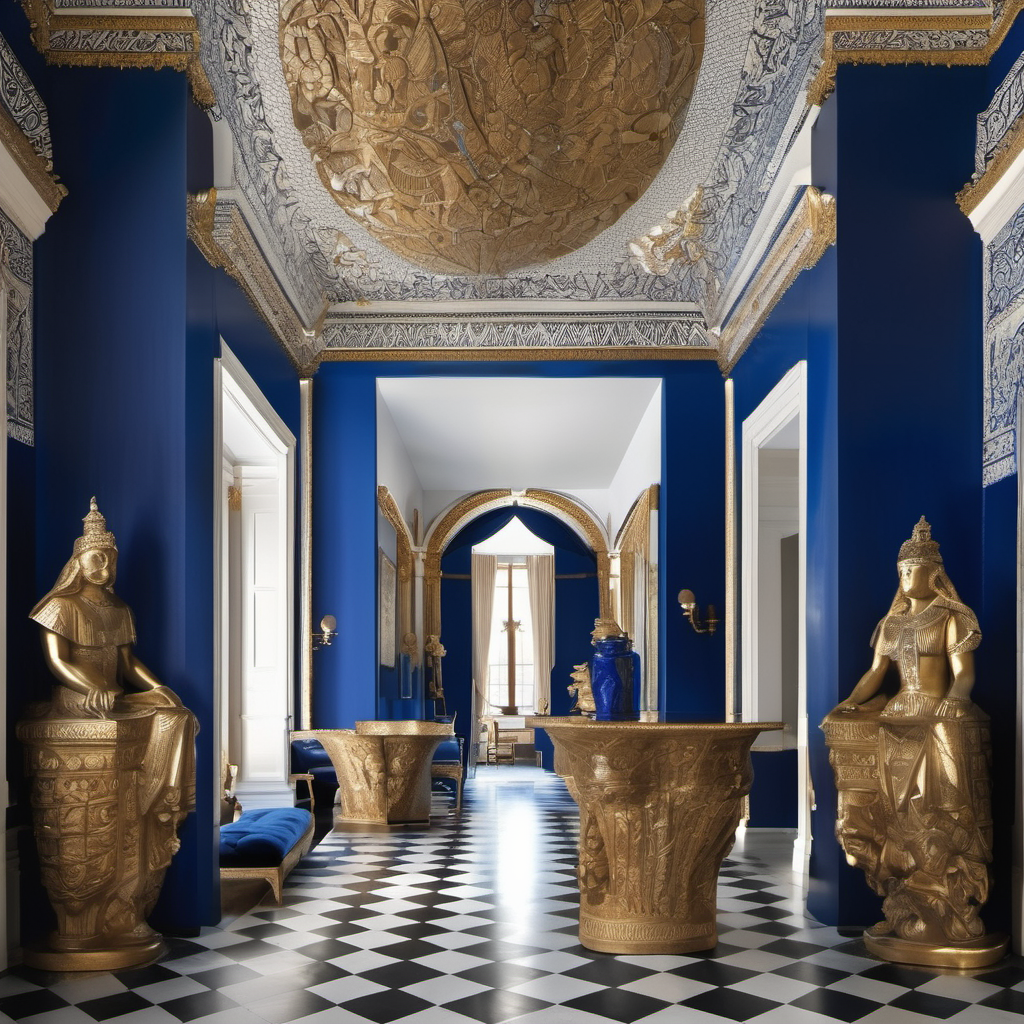
    In Norse mythology, Asgard is a realm of incredible beauty and wonder, home to the gods and goddesses known as the Aesir. At the heart of this divine domain lies the architecture that serves as the foundation for their abodes. From the intricately carved doors to the majestic halls, every detail holds significant symbolic meaning.

    • The Doors of Asgard – Every entrance in Asgard is guarded by a pair of giant wolf-like creatures called Garm. According to mythologist George Chapman, these doors symbolize the threshold between the mortal world and the realm of the gods.
    • “The gates of Valhalla are open to all warriors who have died as heroes.” – Snorri Sturluson In this quote from the Poetic Edda, we see the importance of these doors in separating the realms of life and death. Only those deemed worthy by the gods may pass through.
    • The Halls of Asgard – The great halls within Asgard, such as Valhalla and Vigrasund, are known for their grandeur and beauty. According to historian Jacob Grimm, these structures represent the connection between the natural world and the divine realm.

    “Asgard is a place of eternal light, where the sun does not set.” – The Poetic Edda

    As we delve deeper into the symbolism of Asgard’s architecture, it becomes clear that every aspect serves to reinforce the connection between the gods and their world. Whether it be the intricately carved doors or the grand halls, each element holds a unique significance in deciphering the secrets of this divine realm.