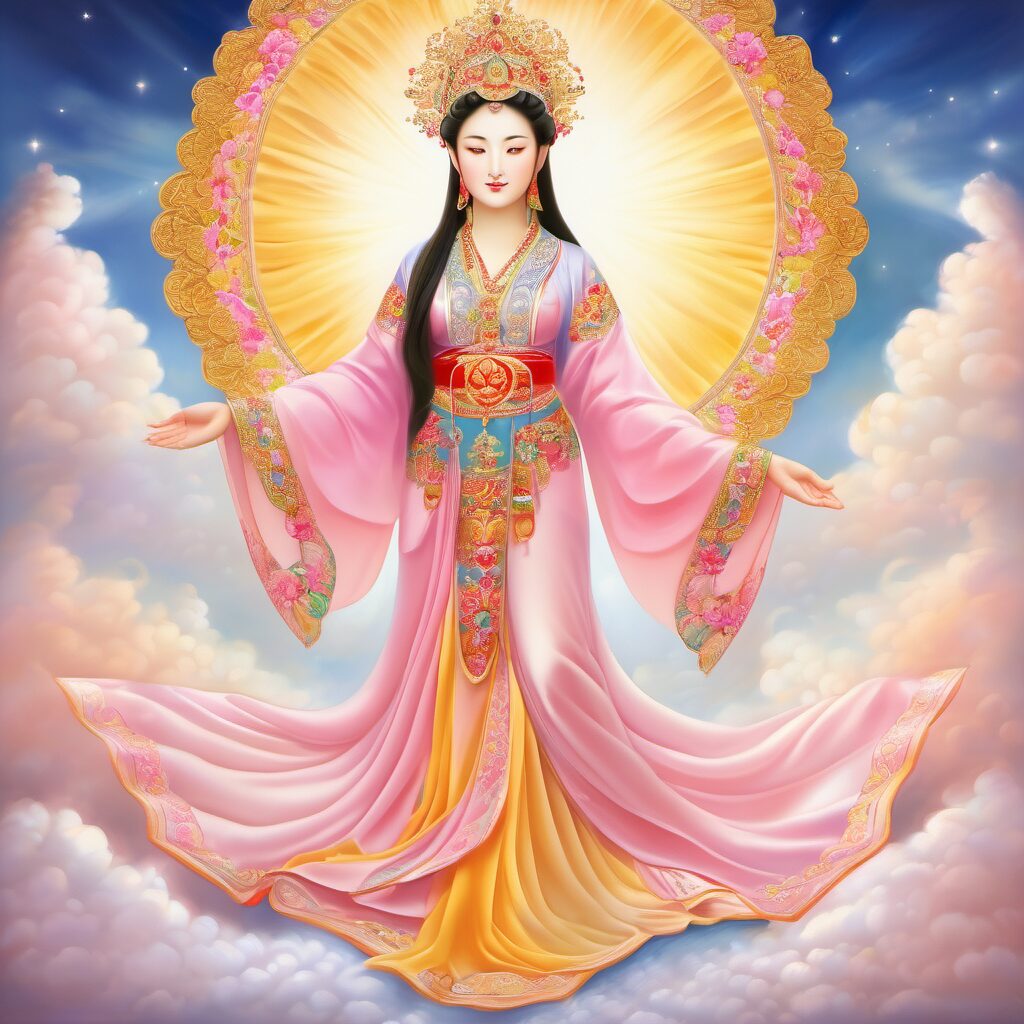
Icons vs Statues: Theological Musings on Christian Art
The realm of Christian art is replete with various forms and mediums, each carrying its own theological significance. Two prominent examples that have sparked intense debate among scholars and enthusiasts are icons and statues. In this article, we will delve into the history, theology, and cultural implications behind these two forms of Christian art.
Icons: A Window to the Divine
For Eastern Orthodox Christians, icons occupy a revered place in their liturgical and devotional practices. These two-dimensional images are considered windows to the divine, offering a glimpse into the sacred realm. As St. John Damascene so eloquently put it, “The honor paid to an icon is transferred to the prototype” (De Fide Orthodoxa, Book IV, Chapter 3). This notion underscores the concept of iconic theology, where the image serves as a mediator between the viewer and the divine.
Avoiding Idolatry
A crucial aspect of icon veneration is avoiding idolatry. The early Church Fathers emphasized the importance of distinguishing between the material representation (the icon) and the divine reality it depicts. This distinction is encapsulated in the phrase “not worshipping the image, but the prototype which the image represents” (Cyril of Alexandria, Letter to Nestorius). By avoiding idolatry, icons become a means of contemplation and meditation, rather than objects of worship.
Statues: A Tangle of Theology and Aesthetics
In contrast, statues have been a part of Western Christian art since the early Middle Ages. These three-dimensional figures often took the form of saints, angels, or biblical characters, serving as devotional aids and decorative elements in churches and monasteries. However, their theological significance has been subject to debate.
Theological Ambiguity
Theological debates surrounding statues revolve around the issue of realism. Did the statue represent a symbolic or literal depiction of the divine? The Council of Trent (1545-1563) addressed this concern by affirming that statues and other forms of Christian art were meant to “represent the truth, not merely to please the eye” (Session 22, Chapter 6). This ambiguity has led some to question the theological efficacy of statues, while others see them as valuable devotional tools.
Theological Reflections
In conclusion, icons and statues represent two distinct approaches to Christian art. While both have their own theological significance, it is essential to recognize the historical and cultural contexts that gave rise to each. As we navigate these complex issues, we would do well to heed the words of St. Basil the Great: “The aim of sacred images is not to deceive the eyes, but to elevate the soul” (Letter 93).
Recommended Readings
* St. John Damascene. De Fide Orthodoxa. Book IV, Chapter 3.
* Cyril of Alexandria. Letter to Nestorius.
* Council of Trent. Session 22, Chapter 6.
For further exploration and theological musings on Christian art, consider the following resources:
* The Icon: A Window to the Divine by Timothy Ware
* Theology and Art in the Western Tradition edited by James F. Harris
* Christian Art and Architecture by George Ferguson
Leave a Reply