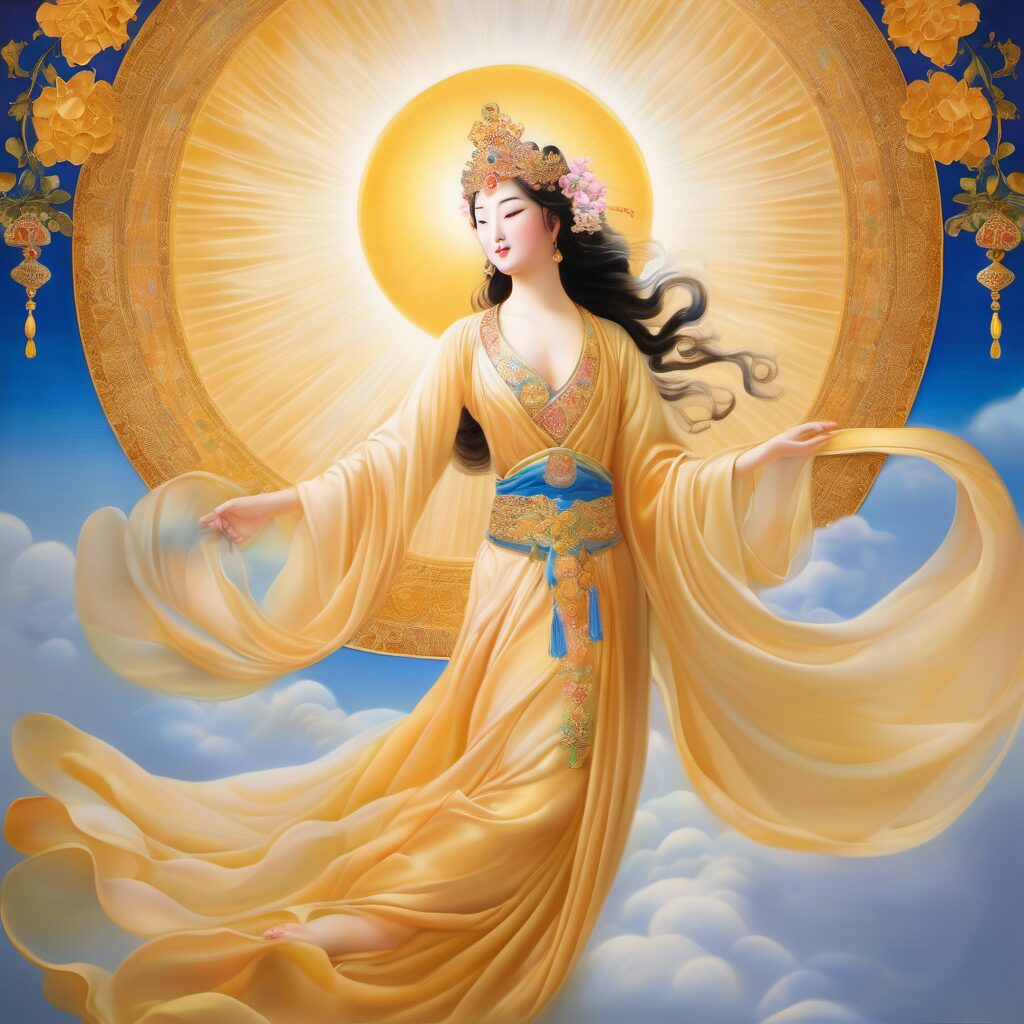
The Surprising Connection Between Christianity and Slavic Folk Culture
Christianity has had a profound impact on Western culture, shaping art, literature, and even music across centuries. However, few people are aware of the surprising connection between Christianity and Slavic folk culture, which dates back to the early Middle Ages. In this article, we’ll explore the fascinating intersection of Christian symbolism and Slavic mythology.
A Shared Heritage
The Slavs, a group of Indo-European peoples, inhabited Eastern Europe from present-day Germany to Ukraine and Russia. Christianity arrived in these regions in the 9th century, brought by missionaries such as Cyril and Methodius. As Christianity took root, it merged with existing Slavic beliefs and practices, creating a unique cultural synthesis.
- The Holy Trinity and Three-Headed Gods: In Slavic mythology, the three-headed god Perun, representing thunder, was a central figure. This parallels the Christian concept of the Holy Trinity – Father, Son, and Holy Spirit – highlighting the connection between the two belief systems.
- Saints as Protectors: In Eastern Orthodox Christianity, saints are revered as protectors and intercessors. Similarly, in Slavic mythology, various gods and goddesses served as guardians and patrons, reflecting the shared emphasis on divine assistance.
- Cycles of Birth, Life, and Death: The Christian concept of the cycle of life, death, and resurrection is echoed in Slavic folklore’s emphasis on the cyclical nature of existence. For example, the Ukrainian folk tale “Vasilisa the Beautiful” features a heroine who outsmarts death itself, underscoring the connection between the two belief systems.
A Common Iconography
Christianity and Slavic folklore share visual motifs, reflecting their intertwined history. Some examples include:
- Tree of Life: The symbol of the tree of life is found in both Christian art and Slavic mythology. In Christianity, it represents the connection between God and humanity, while in Slavic culture, the World Tree Yggdrasil symbolizes the cycle of existence.
- Masks and Masquerade: Masks are a common feature in both Christian festivals (e.g., Carnival) and Slavic folklore. They often represent transformation, renewal, or divine intervention, highlighting the shared emphasis on disguise and role-playing.
A Legacy of Cultural Exchange
The intersection of Christianity and Slavic folk culture has left a lasting legacy in Eastern European art, literature, and music. Examples include:
- Luminous Icons: The traditional icons of Orthodox Christianity owe a debt to the illuminated manuscripts of medieval Byzantium, which were influenced by Slavic art.
- Folk Music and Dance: Many traditional Slavic folk songs and dances contain Christian themes or allusions, while Russian Orthodox liturgical music often incorporates elements from folk melodies.
Conclusion
The surprising connection between Christianity and Slavic folk culture serves as a testament to the rich cultural heritage of Eastern Europe. By exploring this intersection, we gain a deeper understanding of the complex interplay between cultures and the enduring power of symbolism in shaping our collective identity.
“The border between Christianity and paganism is not always clear-cut; indeed, many Slavs were Christianized without abandoning their old beliefs.” – Maria Tymczyńska
Learn more about this fascinating topic:
* “The Early Slavs” by Florin Curta (Routledge, 2001)
* “Christianity and the Ancient Slavs” by Michael B. Gorra (Peter Lang Publishing, 2017)
Visit our website for more articles on cultural heritage: https://www.example.com
Leave a Reply