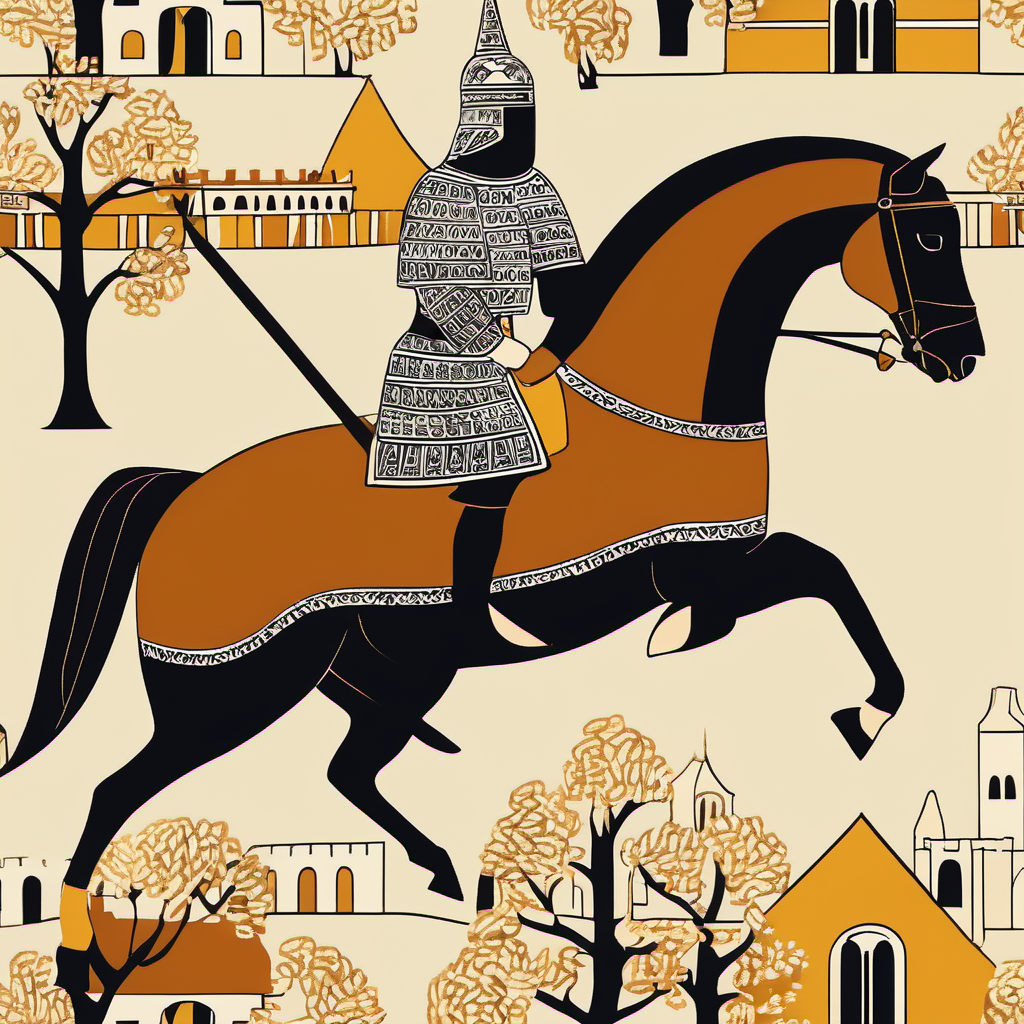
Tales from the Eddas: Exploring the Poetic Sources of Norse Mythology
Norse mythology is a treasure trove of fascinating stories and characters, with its roots dating back to the Viking Age. The Poetic Edda and Prose Edda, two medieval manuscripts that have survived to this day, are our primary sources for understanding this captivating world. In this article, we’ll delve into the tales from these Eddas, exploring their significance in shedding light on Norse mythology.
The Poetic Edda: A Window into the Norse Soul
The Poetic Edda is a collection of Old Norse poems, compiled around 1270 AD. It’s a window into the psyche of the ancient Norse people, revealing their values, myths, and spiritual beliefs. The Edda contains over 30 poems, including the famous “Völuspá” – a prophetic poem that recounts the creation of the world and the end of days.
“The earth was shaped, the sea was made,
And in the midst of them, the sky was placed.”
— Völuspá, Poetic Edda
These poems provide valuable insights into Norse mythology, offering a glimpse into the minds of the Viking Age poets who created them. The poems explore themes such as fate, morality, and the struggle between good and evil.
The Prose Edda: A Guide to the Norse Gods and Heroes
The Prose Edda, written around 1250 AD, is a collection of stories about the gods, goddesses, heroes, and mythological events. It’s a guidebook for understanding the complex world of Norse mythology. The Prose Edda includes famous tales such as the “Lay of Ragnarök” – a story that recounts the events leading up to the end of the world.
“The Æsir and the Vanir, they were reconciled,
And their sons, and their daughters, they married.”
— Lay of Ragnarök, Prose Edda
These stories offer valuable information about the Norse pantheon, including the gods’ personalities, powers, and interactions. They also provide a framework for understanding the mythology’s cosmology, geography, and chronology.
Unlocking the Secrets of Norse Mythology
The Poetic and Prose Eddas are our primary sources for understanding Norse mythology. These ancient texts offer a unique window into the minds and imaginations of the Viking Age people. By exploring these tales from the Eddas, we can gain insights into the Norse worldview, their values, and their spiritual beliefs.
- Fate:** The Eddas reveal a world where fate is inescapable, and the gods’ will cannot be challenged.
- Morality:** Good and evil are clear-cut, with the gods serving as moral guides for humanity.
- Warfare:** The Eddas chronicle a world of constant warfare, where heroism and bravery are essential qualities.
As we delve into the tales from the Eddas, we’re reminded that Norse mythology is more than just a collection of stories – it’s a reflection of the human experience. By exploring these poetic sources, we can gain a deeper understanding of the complex and fascinating world of Norse mythology.
Learn more about the Eddas on Wikipedia
References:
* Larrington, C. (1996). The Poetic Edda. Oxford University Press.
* Faulkes, A. F. (1998). The Prose Edda. J.M. Dent.
Note: This article is a general overview of the Eddas and Norse mythology. For more in-depth information, please refer to the provided references or consult with academic sources.
Leave a Reply