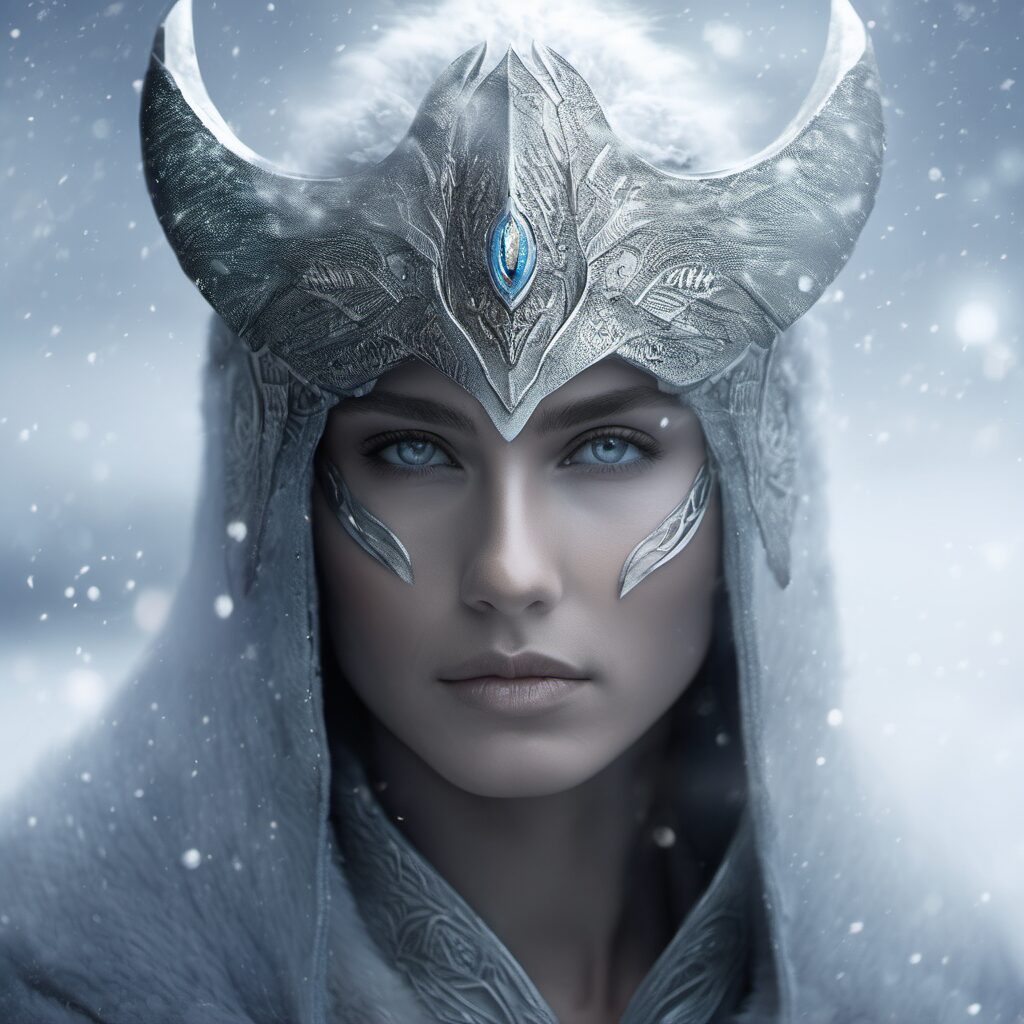
Odin’s Wild Hunt Revisited: Uncovering the Mysteries of the All-Father’s Legendary Ride (Again)
The Wild Hunt, a procession of ghostly horsemen and hounds, has been a staple of Germanic mythology for centuries. At its helm is Odin, the All-Father and god of war, wisdom, and poetry. In this article, we’ll delve into the mysteries surrounding this legendary ride and explore what it reveals about the Norse pantheon.
Origins of the Wild Hunt
The concept of the Wild Hunt has its roots in ancient Germanic folklore, where it was believed to be a harbinger of doom. According to legend, Odin would lead his procession of spirits across the skies, gathering souls for Valhalla. This mythological ride has been retold and reinterpreted throughout history, leaving behind a rich tapestry of stories and symbolism.
- Odin’s Companions: The Wild Hunt is often accompanied by a pack of ghostly hounds, said to be the spirits of those who have died in battle. These hounds are believed to be the companions of Odin, joining him on his journey across the nine worlds.
- The Huntsman’s Call: The sound of the Wild Hunt is said to be a mournful howling, echoing through the land and warning mortals of impending doom. This haunting melody has been immortalized in various forms of art, from music to literature.
- Ghostly Riders: Joining Odin on his ride are a host of ghostly horsemen, said to be the spirits of warriors who have died in battle. These riders are believed to be doomed souls, forever trapped between life and death, forced to follow Odin’s lead.
Interpretations and Symbolism
The Wild Hunt has been interpreted in various ways throughout history, reflecting the cultural and societal context of its retelling. Here are a few examples:
- Judgment Day: In Christianized Europe, the Wild Hunt was seen as a symbol of judgment day, with Odin’s procession representing the final reckoning for all mortals.
- The Power of War: The Wild Hunt has also been interpreted as a symbol of the devastating power of war. Odin, as god of war, leads his procession of fallen warriors, highlighting the futility and tragedy of conflict.
- Cycle of Life and Death: In a more mystical sense, the Wild Hunt can be seen as a representation of the eternal cycle of life and death. Odin’s ride represents the constant flux between mortality and the afterlife, reminding us that all living things are connected in an eternal dance.
Conclusion
Odin’s Wild Hunt is a timeless and enduring mythological concept, captivating the imagination of cultures across Europe for centuries. By examining its symbolism and interpretations, we gain insight into the complexities of human nature, our relationship with the afterlife, and the eternal struggle between life and death.
“The Wild Hunt will ride again, and all shall know that Odin is coming.” – Old Norse Proverb
For more information on Norse mythology and the Wild Hunt, please visit:
Leave a Reply