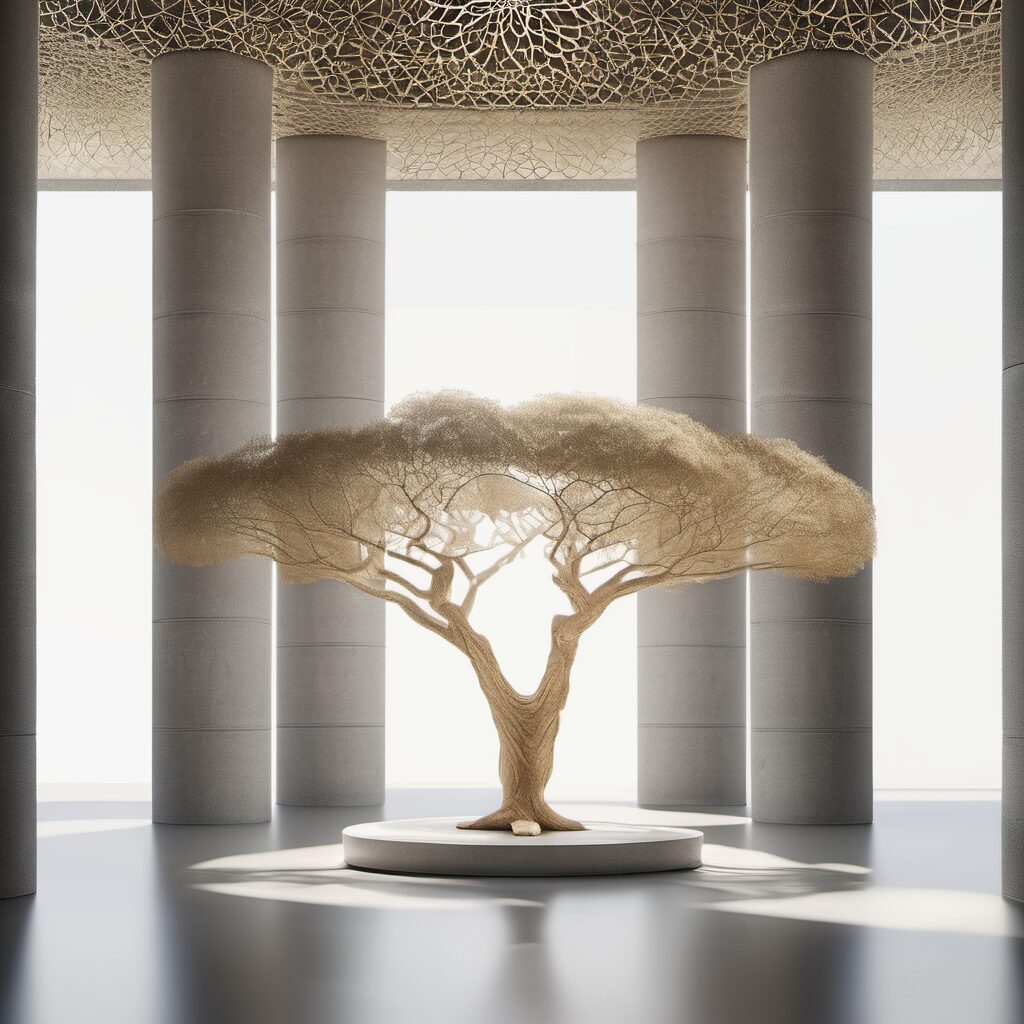
Unraveling the Mystery of the World Tree: A Study on Yggdrasil and Its Significance
Delve into the captivating realm of Norse mythology as we explore one of its most iconic symbols – the World Tree, Yggdrasil. Known as the ‘tree of life’, Yggdrasil’s significance transcends the boundaries of time and space, offering profound insights into ancient beliefs and spirituality.
“Yggdrasil is a living symbol that connects all aspects of the cosmos.” – Haukur Thordarson, historian and specialist in Norse mythology.
The Anatomy of Yggdrasil
- Trunk: The central axis of the tree represents the World Column, which supports the nine realms and the universe itself.
- Branches: These symbolize the paths along which gods, heroes, and spirits journey between realms, embodying connections, wisdom, and the cycle of life.
- Roots: The roots extend into three wells, representing knowledge, wisdom, and memories that sustain Yggdrasil’s growth.
The Guardians of Yggdrasil
Four animals act as guardians of the World Tree: a deer, an eagle, a squirrel, and a serpent. These creatures symbolize the natural balance and constant change within the cosmos, representing harmony, vigilance, communication, and the inevitability of decay and rebirth.
Yggdrasil’s Role in Ragnarok
“Ragnarok is not the end, it is a cycle of renewal.” – Neil Gaiman, author and renowned Norse mythology enthusiast.
Yggdrasil plays a pivotal role during Ragnarok, the apocalyptic event in Norse mythology that signifies the twilight of the gods and the renewal of the universe. According to ancient texts, the tree will shake violently, and its branches will burn as the battle between the gods and giants rages on.
Leave a Reply