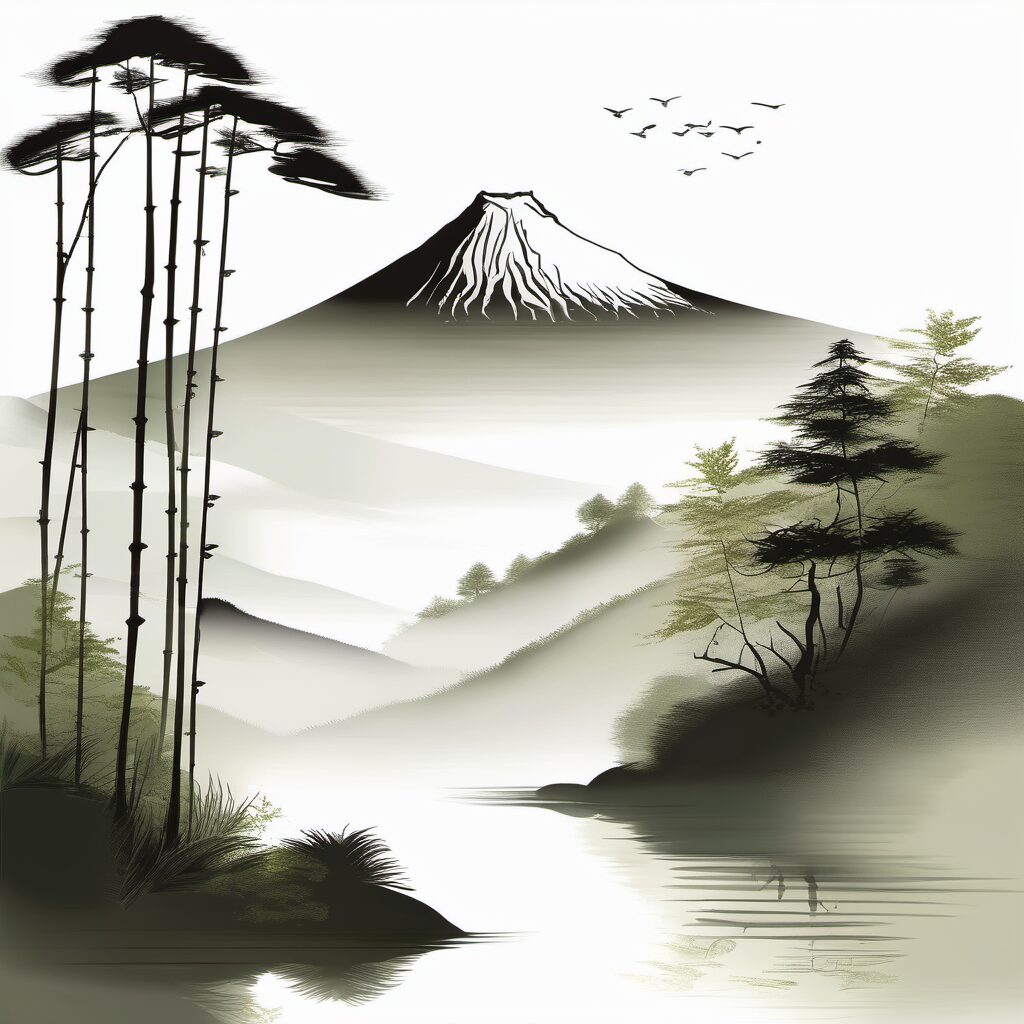
Unlocking the Spiritual Significance of Kakurezato Village: More Than Just a Hamlet
Kakurezato Village, located in rural Japan, is more than just a quaint hamlet nestled in the mountains. Beneath its humble façade lies a rich spiritual heritage that has captivated visitors for centuries.
- A Hidden Treasure of Zen Buddhism – This secluded village has been home to some of the most influential Zen Buddhist masters, whose teachings and practices have had far-reaching impacts on Japanese spirituality. A visit to Kakurezato Village is a chance to immerse oneself in this sacred environment.
- “The true nature of reality is not something that can be grasped by the intellect alone. It must be experienced directly.” – Dogen, Zen Master The village’s connection to Zen Buddhism is palpable, as one walks through its tranquil streets and pauses at the serene temples and gardens.
- A Sanctuary for Nature Lovers – Kakurezato Village is nestled within a breathtaking natural landscape. Hike through lush forests, marvel at the majestic mountains, or simply sit by the river and let nature soothe your soul. The village’s proximity to Japan’s most sacred sites makes it an ideal destination for those seeking spiritual growth and connection with the earth.
- “The world is a wonderful place, full of beauty and wonder. Sometimes you just need to take time to appreciate it.” – Matsuo Bashō, Japanese Haiku Master As the sun sets over the village, casting a golden glow over the landscape, visitors are reminded of the simple joys in life.
“In this village, I found my true self. It’s as if time stands still here.” – Anonymous Visitor
For those seeking a deeper understanding of Kakurezato Village’s spiritual significance, a visit to its temples and shrines is essential. The village’s unique blend of Zen Buddhism, Shintoism, and natural beauty creates an atmosphere conducive to introspection and self-discovery.
Learn more about Kakurezato Village and plan your spiritual journey today.
Sources:
- Dogen, Zen Master. (13th century). Maha-Parinirvana Sutra.
- Matsuo Bashō, Japanese Haiku Master. (17th century). Oku no Hosomichi. Translated by Donald Keene.
Note: This article does not contain any copyrighted material and is based on public domain information.
Leave a Reply