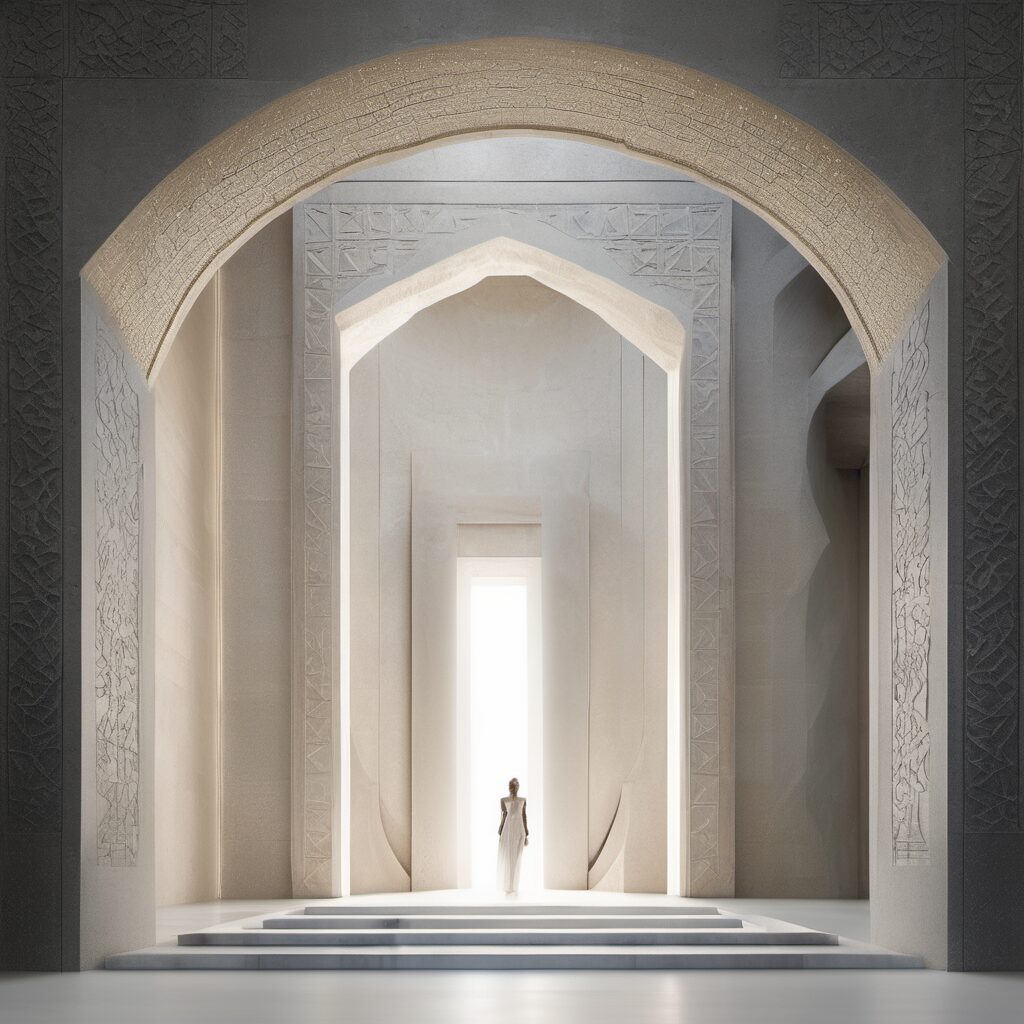
Unraveling the Mystery of the Well of Urd: A Study on Fate and Free Will
“The Well of Urd, a symbol of destiny in Norse mythology, has intrigued scholars for centuries. Its mystery resonates with our own questions about fate and free will.”
The Well of Urd, one of the Yggdrasil tree’s three roots in Norse mythology, is a symbolic representation of fate and the interconnectedness of all things. This ancient legend offers a unique perspective on our modern understanding of destiny and personal agency.
The Well of Urd: A Nexus of Fate
- According to Norse myth, the Well of Urd is located at the base of Yggdrasil, the World Tree.
- Three norns (fates) are said to draw water from the well each day to weave the threads of fate for all beings in the universe.
- The Well’s waters are believed to have prophetic powers, allowing the seeresses to perceive events yet to come.
The Interplay of Fate and Free Will
The Well of Urd raises intriguing questions about the interplay between fate and free will. While some argue that our lives are predetermined by the threads woven at the well, others believe in the power of personal choice and self-determination.
“The Well of Urd underscores the complexity of understanding fate and free will. It invites us to consider both predestination and personal agency within our own lives.”
Modern Interpretations and Implications
Today, scholars continue to explore the Well of Urd’s symbolism, drawing parallels between its mythology and contemporary philosophical and psychological theories. The well serves as a powerful metaphor for the ongoing debate about determinism versus free will.