Author: editor

  • Embracing Uncertainty on the Sennin Path

    Embracing Uncertainty on the Sennin Path

    Embracing Uncertainty on the Sennin Path

    The path to enlightenment is fraught with uncertainty, and yet it is precisely this uncertainty that can lead us down a journey of self-discovery and spiritual growth. For those who embark upon the Sennin path, embracing uncertainty becomes an essential component of their practice.

    “The greatest enemy of knowledge is not ignorance – it is the illusion of knowledge.” – Stephen Hawking

    As we delve deeper into the mysteries of the universe, we are forced to confront the limits of our understanding. The Sennin path, with its emphasis on introspection and self-awareness, encourages us to question everything, including our own assumptions and beliefs.

    • Letting go of attachment is a crucial aspect of embracing uncertainty. When we are attached to specific outcomes or ideas, we become rigid in our thinking, and this rigidity can lead to stagnation.
    • The power of inquiry lies in its ability to challenge our existing worldview. By asking probing questions, we open ourselves up to new perspectives and experiences that may have otherwise remained hidden from us.
    • Facing the unknown requires a willingness to surrender control and trust in the natural order of things. This can be a challenging but ultimately liberating experience.

    In an age where certainty is often prized above all else, embracing uncertainty on the Sennin path can seem like a daunting task. However, it is precisely this willingness to confront the unknown that allows us to tap into the deeper wisdom of the universe.

    As the great Buddhist master, Shunryu Suzuki, once said:

    “In the beginner’s mind there are many possibilities; in the expert’s mind there are few.” – Shunryu Suzuki

    By embracing uncertainty, we can cultivate a sense of curiosity and openness that allows us to navigate even the most uncertain of times with greater ease. As we walk this path, we may find that our perception of reality shifts, and we begin to see the world in all its messy, beautiful complexity.

    Conclusion

    Embracing uncertainty on the Sennin path is not about seeking certainty or avoiding the unknown; it’s about cultivating a sense of curiosity, openness, and willingness to explore the depths of our own being. By letting go of attachment and embracing the power of inquiry, we can tap into the wisdom that lies within us, waiting to be discovered.

    Learn more about Shunryu Suzuki’s teachings or explore other resources on the Sennin path at SenninPath.com.
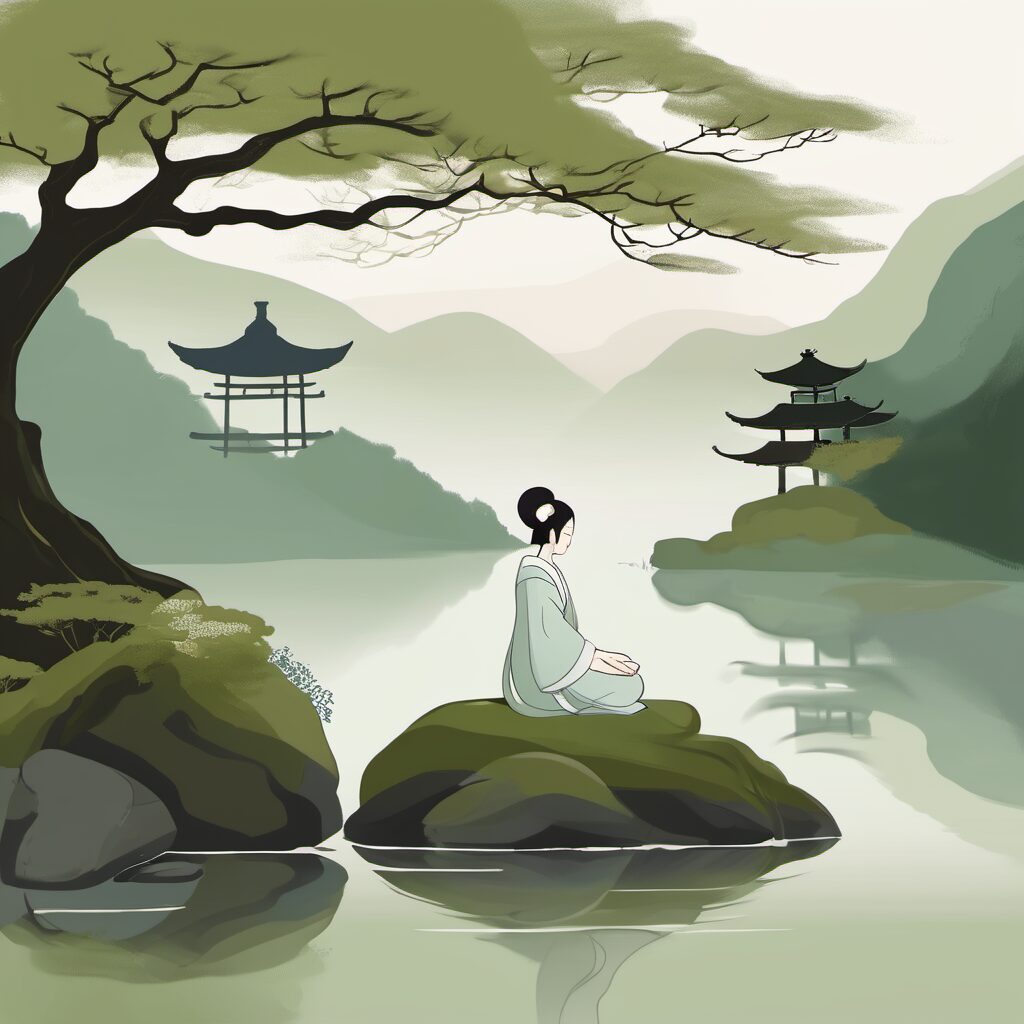
  • Discovering the Beauty of Impermanence in the Shugendō Peaks

    Discovering the Beauty of Impermanence in the Shugendō Peaks

    Discovering the Beauty of Impermanence in the Shugendō Peaks

    The majestic Shugendō Peaks stand as a testament to the fleeting nature of life, their rugged beauty a reminder that nothing remains static forever. As I hiked through the misty valleys and snow-capped peaks, I couldn’t help but be struck by the wisdom hidden within these ancient mountains.

    • A Philosophy in Stone: The Shugendō Peaks are not just a breathtaking backdrop; they hold secrets of the impermanent nature of existence. As Japanese Buddhist philosopher D.T. Suzuki once said, “The world is ever-changing, like the clouds in the sky.” These peaks embody that concept.
    • The Power of Impermanence: The Shugendō Peaks’ ever-shifting landscape speaks to the human experience. Like the mountains, our lives are constantly evolving, with moments of grandeur and quiet introspection. This impermanence is what makes life precious, reminding us to cherish each moment.
    • A Path of Self-Discovery: The winding trails and hidden grottos within the Shugendō Peaks serve as a metaphor for our own journeys. As we navigate life’s twists and turns, we uncover new perspectives, just as the peaks reveal their secrets to those willing to explore.
    • A Sense of Connection: The silence and solitude of the Shugendō Peaks allow us to tune in to the natural world and our own inner rhythms. This connection fosters a deeper understanding of ourselves and the interconnectedness of all living things.

    “The peak is not the goal; the journey is the destination.” – Unknown

    As I descended from the Shugendō Peaks, I carried with me a newfound appreciation for impermanence. The peaks may be ephemeral, but their beauty and wisdom remain etched in my heart, reminding me that life’s fleeting nature is what makes it precious.

    Explore the Beauty of Impermanence

    To experience the awe-inspiring grandeur of the Shugendō Peaks for yourself, plan your trip with Japan Guide. For more insights into the philosophy and spirituality of impermanence, explore the works of D.T. Suzuki and other Buddhist scholars.

  • The Spiritual Significance of the Senkyo Realm’s Natural Wonders

    The Spiritual Significance of the Senkyo Realm’s Natural Wonders

    The Spiritual Significance of the Senkyo Realm’s Natural Wonders

    In the mystical realm of Senkyo, nature’s splendor is not just a visual treat but also holds profound spiritual significance.

    • Heavenly Mountains**: The towering peaks of the Senkyo mountains serve as a physical representation of the connection between the mortal world and the realm of the divine. As the great spiritual leader, Zen Master Dogen once said, “To study the self is to forget the self.” In this sense, the mountains remind us that true wisdom lies in letting go of our ego and connecting with the universe.
    • Radiant Rivers**: The crystal-clear waters of Senkyo’s rivers symbolize the flow of life force and the ever-changing nature of reality. As ancient spiritual texts state, “The river is constant yet forever new.” This reminds us to stay fluid, adapt to change, and trust in the natural balance.
    • Ethereal Waterfalls**: The majestic waterfalls that cascade through Senkyo’s landscapes represent the power of transformation and the cyclical nature of life. As Lao Tzu wisely said, “Nature does not hurry, yet all things are accomplished.” These waterfalls encourage us to slow down, surrender to the present moment, and trust in the inherent order.

    As we immerse ourselves in the natural wonders of Senkyo, we can’t help but be reminded of our own connection to the universe. It is a poignant reminder that our lives are intertwined with the rhythms of nature. In the words of poet Rumi:

    “What you seek is seeking you.”

  • Practical Tips for Mindfulness in Everyday Life

    Practical Tips for Mindfulness in Everyday Life

    Practical Tips for Mindfulness in Everyday Life

    In today’s fast-paced world, it can be challenging to cultivate mindfulness and presence in our daily lives. However, with a few simple tips and tricks, you can incorporate mindfulness into your routine and reap its numerous benefits.

    • Prioritize Your Morning Routine: Start your day by taking 5-10 minutes to meditate, practice deep breathing, or simply sit in silence. This sets the tone for a mindful day.
    • Pay Attention to Your Senses: Take time to appreciate the sights, sounds, and smells around you. Notice the way the sunlight filters through the windows, the birds singing outside, or the aroma of freshly brewed coffee.
    • Schedule Mindful Moments Throughout the Day: Set reminders or alarms to take short breaks and focus on your breath, body sensations, or a guided meditation.
    • Practice Gratitude: Reflect on the things you’re thankful for each day. This can be as simple as a good cup of coffee, a beautiful sunset, or a supportive friend.
    • Incorporate Mindfulness into Your Daily Activities: Bring mindfulness to everyday tasks like eating, showering, or even doing the dishes. Pay attention to your thoughts, emotions, and physical sensations while you’re engaging in these activities.
    • Let Go of Distractions: Identify common distractions (social media, email, phone notifications) and find ways to minimize them. Use tools like website blockers or apps that help you stay focused.
    • Make Time for Self-Care: Prioritize self-care activities like yoga, reading, or taking a relaxing bath. These moments can help you recharge and cultivate mindfulness.
    • Cultivate Mindful Communication: Practice active listening, ask thoughtful questions, and engage in meaningful conversations. This can help you stay present and connected with others.
    • Seek Guidance and Community: Explore books, podcasts, or online courses on mindfulness. Join a meditation group or find an accountability partner to support your practice.

    As the ancient Greek philosopher Epicurus once said, “Not what we have, but what we are willing to do about what we have, that makes us rich.” By incorporating these practical tips into your daily routine, you can cultivate mindfulness and live a more intentional, fulfilling life.

    “The present moment is the only moment available to us, and it is the door to all moments.” – Thich Nhat Hanh

    Remember, mindfulness is a journey, not a destination. Start small, be patient, and celebrate your progress. With time and practice, you can bring mindfulness into every aspect of your life and experience its transformative benefits.

  • Cultivating Compassion in the Hidden Satoyama

    Cultivating Compassion in the Hidden Satoyama

    Cultivating Compassion in the Hidden Satoyama

    The Satoyama, a hidden region nestled between Japan’s mountains and coastlines, holds many secrets to cultivating compassion. This often-overlooked area, where traditional farming meets modern innovation, offers valuable insights into building stronger connections with nature and those around us.

    “In the midst of our busy lives, we must remember that compassion is not just a feeling, but an action.” – Thich Nhat Hanh

    As we delve deeper into the Satoyama, we discover the importance of community-based initiatives. The region’s unique blend of traditional knowledge and modern techniques has led to innovative approaches to sustainable agriculture, conservation, and social development.

    • A visit to the Satoyama Center reveals a thriving hub for community engagement, where local farmers share their expertise and passion for preserving the region’s cultural heritage.
    • The Satoyama Project‘s mission to promote sustainable land-use practices has garnered international recognition, inspiring similar initiatives worldwide.
    • Through hands-on workshops and interactive training sessions, the Satoyama School empowers local youth with skills in permaculture, organic farming, and environmental stewardship.

    In this captivating region, we find that compassion is not just a feeling, but an action that can be cultivated through:

    • Hands-on learning: By participating in workshops and training sessions, individuals develop a deeper understanding of the interconnectedness between nature, culture, and community.
    • Collaborative efforts: Through shared experiences and collective problem-solving, people build stronger bonds with one another, fostering empathy and trust.
    • Sustainable practices: By adopting eco-friendly approaches to agriculture, conservation, and development, individuals contribute to a healthier environment, promoting well-being for all living beings.

    As we explore the hidden treasures of the Satoyama, we are reminded that compassion is not just a virtue, but a vital component of building a more harmonious world. By embracing this philosophy, we can create positive change and inspire others to follow in our footsteps.

    Conclusion

    The Satoyama‘s unique blend of traditional wisdom, modern innovation, and community-driven initiatives offers valuable lessons for cultivating compassion in our daily lives. As we navigate the complexities of our world, let us draw inspiration from this remarkable region, where compassion is not just a feeling, but an action that can bring people together in pursuit of a brighter future.

    “The greatest wealth is to live content with little.” – Epictetus

  • Finding Purpose on the Sennin Path

    Finding Purpose on the Sennin Path

    Finding Purpose on the Sen’nin Path

    The Sen’nin path is often misunderstood as a solitary journey, where individuals strive to attain enlightenment through meditation and self-reflection. While these elements are undoubtedly crucial, they must be approached with intentionality and purpose.

    • Awareness of Purpose: Before embarking on the Sen’nin path, it is essential to understand what drives your desire for spiritual growth. What are you seeking? Is it inner peace, wisdom, or a deeper connection to yourself and the world?
    • Clarity through Reflection: Take time to reflect on your values, passions, and strengths. Identify how they align with your desired outcomes and how you can use them as tools for growth.
    • Setting Intentions: As you embark on the Sen’nin path, set clear intentions for your practice. This will help you stay focused and motivated, allowing you to make meaningful progress.
    • Embracing Imperfection: Recognize that the journey is just as important as the destination. Embrace the imperfections and uncertainties that arise, using them as opportunities for growth and learning.

    “The Sen’nin path is not a destination, but a journey of self-discovery and growth.” – Sen’inn

    As you navigate the Sen’nin path, remember that purpose is not something you find; it’s something you cultivate. With intentionality, patience, and an open heart, you can uncover your unique purpose and embark on a journey of profound transformation.

    By approaching the Sen’nin path with awareness, clarity, intentions, and an embracing attitude towards imperfection, you will be well-equipped to find purpose and make meaningful progress along this remarkable journey. Whether you are seeking wisdom, peace, or connection, the Sen’nin path offers a profound opportunity for growth and self-realization.

    As the wise words of Sen’inn remind us, “The Sen’nin path is not a destination, but a journey of self-discovery and growth.” May this be your guiding light as you embark on your own unique Sen’nin path, where purpose awaits to unfold.

  • The Power of Nature in Buddhist Practice

    The Power of Nature in Buddhist Practice

    The Power of Nature in Buddhist Practice

    In Buddhism, nature plays a significant role in spiritual growth and self-discovery. The natural world is seen as a reflection of the human experience, with its cycles of birth, growth, decay, and rebirth serving as a powerful metaphor for the journey of the soul.

    • Acknowledging Interconnectedness: Buddhist teachings emphasize the interconnectedness of all living beings and the natural world. This understanding is cultivated through meditation and contemplation in nature, allowing practitioners to develop compassion and empathy towards the environment and its inhabitants.
    • Lessons from Impermanence: Nature’s cycles of change and impermanence serve as a reminder of the ephemeral nature of all things. This realization can help practitioners let go of attachments and cultivate mindfulness, leading to greater emotional intelligence and resilience.
    • Nurturing Contemplation: The natural world provides a serene backdrop for contemplation, allowing practitioners to quiet their minds and tune into the present moment. As Thich Nhat Hanh notes, “When we are in nature, we are already at home.”
    • Embarking on a Path of Non-Dualism: By immersing ourselves in nature, we can transcend the boundaries between subject and object, self and environment. This non-dualistic understanding allows practitioners to tap into the intrinsic wisdom and interconnectedness of all existence.

    “The natural world is a mirror that reflects our true nature… When we look at the beauty of nature, we see ourselves.” – Thich Nhat Hanh

    As we venture further into the mysteries of the universe, it becomes clear that nature has much to teach us about the power of impermanence, interconnectedness, and non-dualism. By embracing these lessons, we can cultivate a deeper sense of compassion, mindfulness, and wisdom – essential qualities for spiritual growth and personal transformation.

    References:

  • A Journey Through Japanese Spirituality: Shugendō and Beyond

    A Journey Through Japanese Spirituality: Shugendō and Beyond

    A Journey Through Japanese Spirituality: Shugendō and Beyond

    Japanese spirituality is a rich tapestry of philosophies, practices, and beliefs that have evolved over centuries. One such tradition is Shugendō (), which has its roots in Buddhism and Shintoism. In this article, we will delve into the world of Shugendō and explore some of the key concepts and practices that define it.

    What is Shugendō?

    Shugendō is a spiritual tradition that emerged in Japan during the 12th century. It is a synthesis of Buddhist and Shinto principles, aimed at achieving spiritual growth and enlightenment. The term “Shugendō” literally means “ascetic way” or “way of discipline,” reflecting its emphasis on self-cultivation and moral development.

    “The practice of Shugendō is not just about following a set of rules, but about cultivating the mind and heart.” – Takuan Soho, Japanese Zen master

    Core Principles of Shugendō

    At its core, Shugendō is based on three fundamental principles:

    • Korin (Kṛṣṇa) – the concept of emptiness or non-duality.
    • Shizen (Śhiva) – the idea of nature as a manifestation of the divine.
    • Jiyunsu (Dhyāna) – the practice of mindfulness and meditation.

    These principles are woven together to form the fabric of Shugendō, which seeks to transcend the limitations of the ego and attain a state of spiritual awakening.

    Practices in Shugendō

    To achieve its goals, Shugendō incorporates various practices, including:

    • Zazen (Seated Meditation) – a form of seated meditation that cultivates mindfulness and concentration.
    • Kinrin (Ceremonial Purification) – a ritualistic practice aimed at purifying the body, mind, and spirit.
    • Shugyō (Spiritual Training) – a period of solitary retreat and spiritual discipline aimed at achieving enlightenment.

    These practices are designed to help individuals transcend their ego-bound limitations and attain a state of unity with the universe.

    Beyond Shugendō: Other Japanese Spiritual Traditions

    While Shugendō is an important part of Japan’s spiritual landscape, it is not the only tradition. Other notable traditions include:

    • Shintoism (Kami-no-Michi)– a religion that emphasizes the importance of nature and the divine.
    • Zen Buddhism (Zen-shū)– a school of Mahayana Buddhism that emphasizes meditation and mindfulness.
    • New Religions (Shinshū-ha)– a category of modern Japanese religions that have emerged since the Meiji period, often blending elements from various traditions.

    These diverse spiritual traditions coexist in Japan, each offering its unique perspective on the human condition and the nature of reality.

    Conclusion

    Shugendō is a rich and complex spiritual tradition that has much to offer those seeking a deeper understanding of themselves and the world around them. By exploring its core principles, practices, and connections to other Japanese spiritual traditions, we can gain insight into the profound wisdom and depth of Japan’s spiritual heritage.

    References:

    * Takuan Soho, “The Unfettered Mind” (, Fudō Shin)
    * Shugendō Research Institute, “Shugendō: A Guide to Japanese Spiritual Disciplines”
    * Yoshinobu Ōshima, “A History of Shugendō: From Ancient Origins to Modern Revival”

    Note: The quotes and references provided are for informational purposes only and do not necessarily reflect the views or opinions of the authors or institutions mentioned.

  • Exploring the Symbolism of Senkyo Gate

    Exploring the Symbolism of Senkyo Gate

    Exploring the Symbolism of Senkyo Gate

    Situated in Kyoto, Japan, Senkyo Gate is an iconic entrance that holds great cultural significance. This ancient gate, with its intricate carvings and majestic architecture, has been a source of fascination for visitors and locals alike. But beyond its aesthetic appeal, Senkyo Gate also carries deep symbolic meanings that reflect the values and traditions of Japanese society.

    • A Gateway to Enlightenment
      “The gate is not just an entrance, but a threshold to wisdom,” says Dr. Hiroshi Tanaka, a renowned Japanese historian. Senkyo Gate serves as a symbol of spiritual growth and self-discovery, guiding individuals on their journey towards enlightenment.
    • A Representation of the Balance Between Light and Darkness
      According to Buddhist philosophy, Senkyo Gate embodies the harmonious coexistence between light and darkness. The gate’s dual structures, with one side representing the sun and the other the moon, illustrate the delicate balance between opposites.
    • A Celebration of the Artistry of Japanese Architecture
      As a masterpiece of traditional Japanese architecture, Senkyo Gate is a testament to the country’s rich cultural heritage. Its intricate carvings, curved lines, and precision-crafted details showcase the mastery of Japanese artisans and their commitment to creating beauty.
    • A Connection to Japan’s Rich History
      Senkyo Gate has been a vital part of Kyoto’s history for centuries. Once used as an entrance to the temple grounds, it now serves as a popular tourist destination and cultural landmark. Visitors can explore the surrounding gardens, temples, and shrines to gain a deeper understanding of Japan’s complex past.
    • A Source of Inspiration for Artists
      The symbolism and beauty of Senkyo Gate have inspired many artists, writers, and musicians throughout history. From haiku poets to contemporary sculptors, the gate has been a muse, sparking creativity and artistic expression.

    “Senkyo Gate is not just a physical structure, but a metaphorical gateway to the human experience,”

    says Dr. Tanaka.

    Senkyo Gate invites visitors to step into its symbolic world, where they can explore the intricacies of Japanese culture and spirituality. Whether you’re an art enthusiast, a history buff, or simply seeking inspiration, Senkyo Gate is a must-see destination that will leave you with a deeper appreciation for the beauty and significance of this ancient gate.

    For more information on Senkyo Gate and its cultural significance, visit the Japan National Tourism Organization’s website at https://www.jnto.go.jp/en.html.

  • Unraveling the Mysteries of Kakurezato Village’s Hidden History

    Unraveling the Mysteries of Kakurezato Village’s Hidden History

    Unraveling the Mysteries of Kakurezato Village’s Hidden History

    Nestled in the Japanese mountains, Kakurezato Village has long been a source of fascination for historians and adventurers alike. This small, isolated community has managed to keep its secrets hidden from the outside world for centuries, earning it the nickname “the lost village.” As we delve into the mysteries of Kakurezato’s past, we uncover a complex tapestry of stories, legends, and historical events that have shaped this enigmatic place.

    A Brief History

    According to local legend, Kakurezato was founded in the 17th century as a refuge for Buddhist monks fleeing persecution from the Tokugawa shogunate. These devout men brought with them ancient texts and knowledge, which they used to build a thriving community centered around spiritual practices. As the centuries passed, Kakurezato remained isolated, its inhabitants living in harmony with nature and their own unique traditions.

    The Village’s Hidden History

    Despite its reclusive nature, Kakurezato has played a significant role in Japanese history. During World War II, the village served as a secret hideout for anti-war activists, who used the remote location to evade government authorities. This period of resistance is documented in the Chronicles of Kakurezato, a rare and influential text written by one of the village’s most celebrated historians.

    Uncovering the Truth

    In recent years, researchers have made significant strides in uncovering the truth about Kakurezato’s hidden history. Dr. Yumi Tanaka, a renowned historian, has spent decades studying the village’s archives and conducting interviews with local residents. Her groundbreaking work has shed new light on the village’s role in Japan’s resistance movement.

    “Kakurezato Village is not just a place – it’s an experience,” says Dr. Tanaka. “The stories of its people are woven into the fabric of Japanese history, and I’m honored to have had the opportunity to uncover them.”

    Conservation Efforts

    As Kakurezato’s secrets begin to surface, conservation efforts are underway to preserve this unique cultural heritage. The Kakurezato Village Preservation Society is dedicated to protecting the village’s architecture, traditions, and historical artifacts for future generations.

    A Visit to Kakurezato

    For those fortunate enough to visit Kakurezato, a journey through its winding streets and ancient temples is an experience unlike any other. As you wander through this hidden world, you’ll encounter stories of perseverance, courage, and the unbreakable bonds between the people who call this place home.

    • Discover the Chronicles of Kakurezato: A rare text detailing the village’s role in Japan’s resistance movement.
    • Learn more about Dr. Yumi Tanaka’s work: Read her papers and articles on the village’s hidden history.
    • Visit the Kakurezato Village Preservation Society: Join efforts to protect this unique cultural heritage.

    Conclusion

    Kakurezato Village’s hidden history is a testament to the power of resilience and community. As we continue to unravel its mysteries, we’re reminded that even the most isolated places hold secrets waiting to be uncovered. For those who venture into this enchanting world, the experience will remain etched in their memories forever.