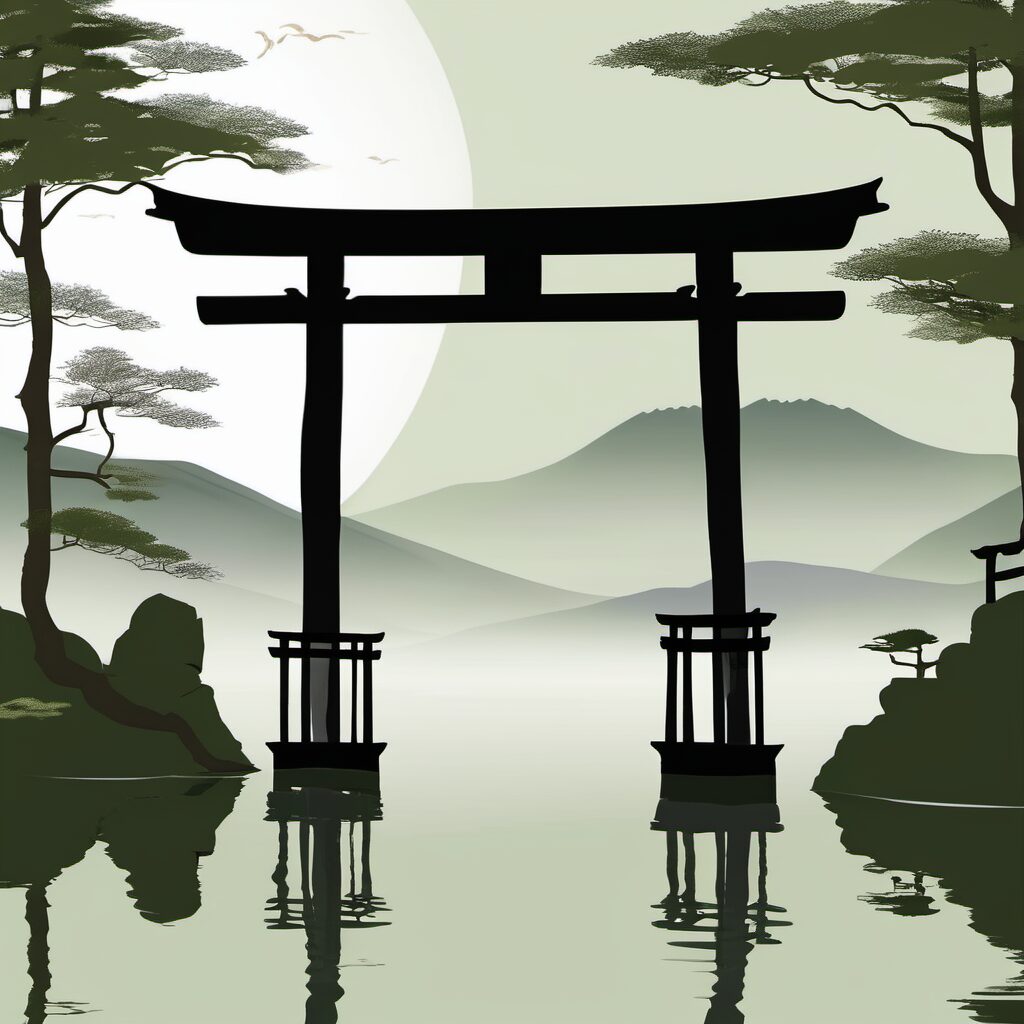
Uncovering Hidden Satoyama: The Power of Nature’s Secrets
- Satoyama, a Japanese term that translates to “mountain village” or “rural mountain area,” holds secrets and stories yet to be fully uncovered.
In the midst of Japan’s bustling cities and technology-driven society, there lies a hidden world – one that whispers ancient tales of nature’s power and harmony. This world is called Satoyama, where the once-thriving rural communities have been slowly disappearing. As we explore this lesser-known region, we’ll uncover the secrets hidden beneath its tranquil surface.
“Nature has a way of not always showing us what it can do until it really needs to.” – Dr. Stuart Pimm, Conservation Biologist
Satoyama’s unique blend of forest and agriculture has created an ecosystem unlike any other. The area’s rich biodiversity is a testament to the power of synergy between human settlement and natural habitats. As we delve deeper into this hidden world, we’ll discover the intricate relationships between flora and fauna, as well as the wisdom passed down through generations.
- Traditional farming practices have been an integral part of Satoyama’s ecosystem for centuries. These methods not only maintained soil fertility but also created habitats for countless species.
- The area’s forests are home to a vast array of endemic and endangered species, many of which can be found nowhere else in the world.
- Conservation efforts are underway to protect this precious biodiversity, ensuring the preservation of Satoyama’s natural secrets for future generations.
As we continue to uncover the hidden stories of Satoyama, we’re reminded that nature has much to teach us about resilience, adaptability, and balance. The power of these secrets lies not only in their ability to inspire wonder but also in their capacity to inform our actions towards a more harmonious coexistence with the natural world.
References:
- Pimm et al. (2014): “The future of biodiversity: Final Report” – Proceedings of the National Academy of Sciences.
Leave a Reply