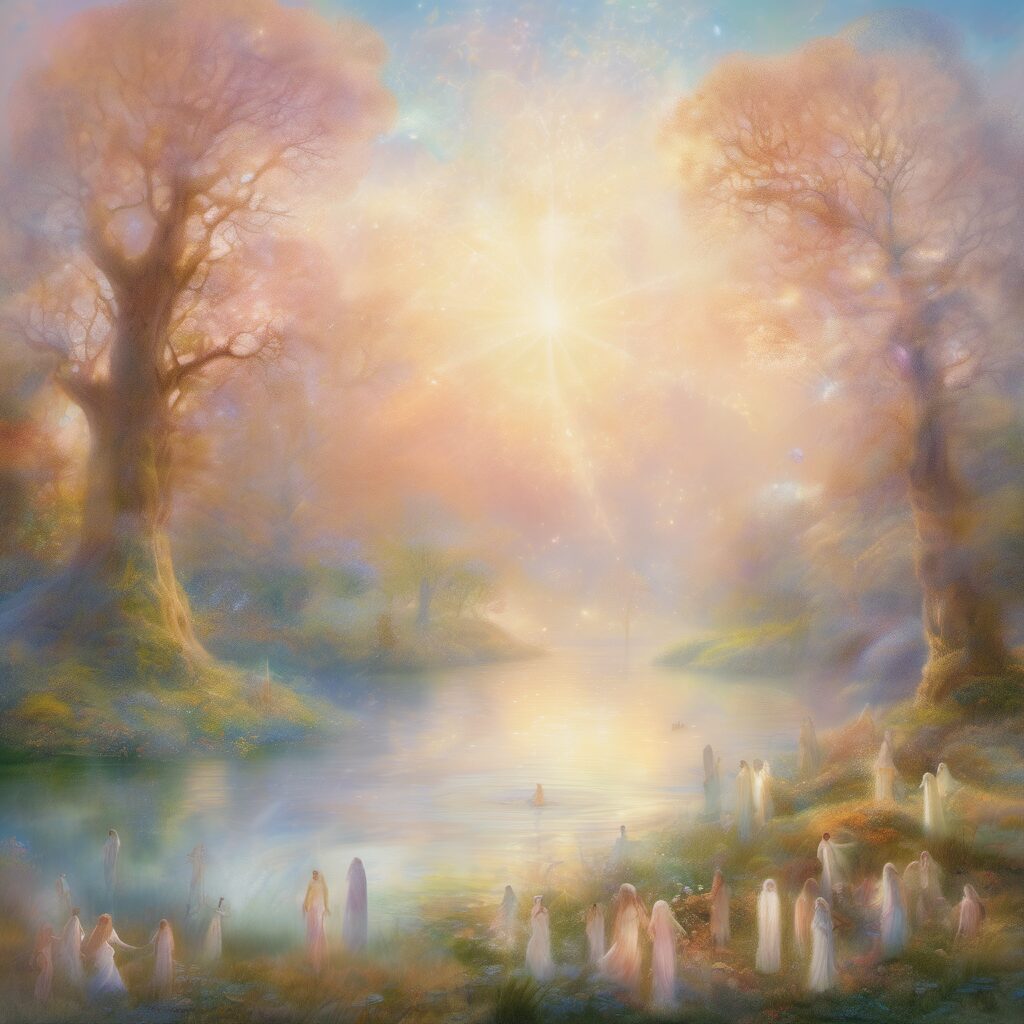
Pagan Paths: Exploring the Many Faces of Nature Spirituality in Contemporary Society
“The earth is our mother, the sky is our roof, and the spirits are our relatives.” – Native American Proverb
In recent years, there has been a resurgence of interest in nature-based spiritualities. Often referred to as Paganism or Neo-Paganism, these traditions seek to reconnect individuals with the natural world and incorporate it into their religious practices. This article serves as a comprehensive guide to understanding the diverse array of Pagan paths and their practices.
Defining Paganism
Paganism, in its broadest sense, encompasses a range of religious beliefs that center around the reverence of nature and the recognition of the interconnectedness between all living things. While individual practices can vary significantly, common themes include an emphasis on cycles (such as the seasons or moon phases), animism (the belief that natural objects, animals, and even inanimate objects possess a spirit or soul), and the veneration of deities associated with nature.
Key Pagan Traditions
- Wicca: A modern religious tradition that revolves around the worship of a dualistic deity (the God and Goddess) and the observance of seasonal Sabbats.
- Druidry: A reconstructed pre-Christian Celtic religion that emphasizes the sacredness of nature and the development of a deep understanding of the natural world through study, meditation, and ritual.
- Shinto: An indigenous Japanese religion that focuses on the worship of kami (spirits or deities) and the recognition of the inherent sacredness of all things in nature.
- Native American Spirituality: The diverse spiritual beliefs of Indigenous peoples across North America, which often center around a deep connection to the land and the natural world.
Practices and Rituals
Pagan practices can vary widely, but common elements include the use of ritual, meditation, divination, spellcasting, and the veneration of deities. Many Pagans also place a strong emphasis on living in harmony with nature and taking steps to minimize their impact on the environment.
Conclusion
Pagan paths offer a unique approach to spirituality that reconnects individuals with the natural world. Whether through Wicca, Druidry, Shinto, Native American Spirituality, or other traditions, these practices encourage a deep appreciation for the beauty and complexity of nature while fostering a sense of reverence and responsibility towards the earth.
Leave a Reply