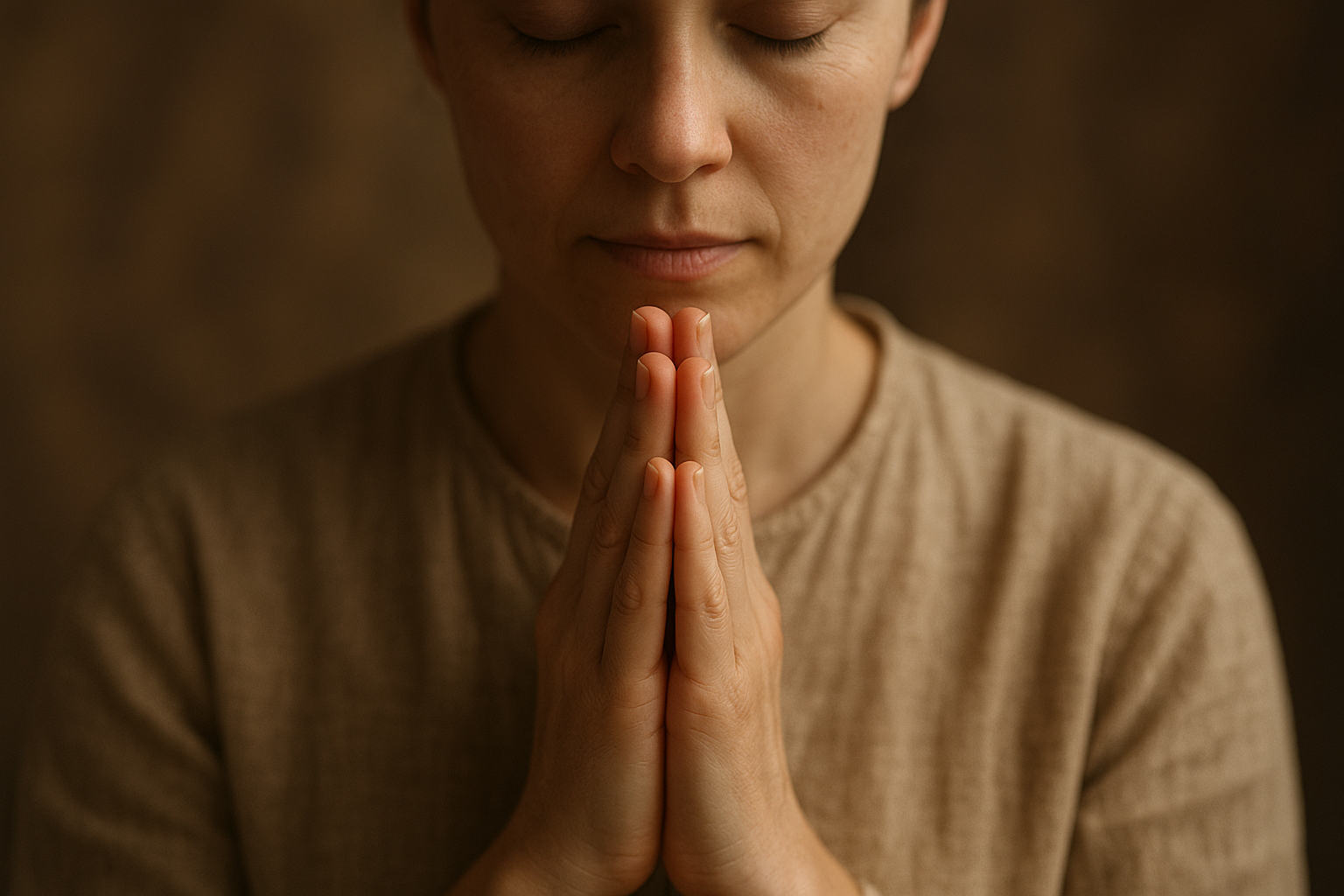
Throughout history, religious texts have served as spiritual anchors, offering solace and guidance. Among these, The Lord’s Prayer in Christianity and the Metta Sutta in Buddhism stand out for their messages of love and compassion. Despite originating from different cultural and religious backgrounds, both texts share a common thread of imparting peace and goodwill.
The Lord’s Prayer: A Christian Pillar
The Lord’s Prayer, also known as the “Our Father,” is central to Christian worship. Found in the New Testament, it appears in two versions: one in the Gospel of Matthew (6:9-13) and a shorter form in the Gospel of Luke (11:2-4).
“Our Father in heaven, hallowed be your name…”
This prayer encapsulates a range of emotional and spiritual appeals: reverence, submission to divine will, requests for sustenance, forgiveness, and deliverance from temptation. It serves as a reminder of humanity’s connection to the divine and to one another.
The Metta Sutta: A Buddhist Expression of Loving-kindness
Similarly, the Metta Sutta, part of the Pali Canon in Theravada Buddhism, is a revered text that emphasizes loving-kindness (metta). It is a guide for radiating goodwill and wishes for peace, not just towards one’s own community but extending boundlessly to all sentient beings.
“Let none deceive another or despise any being in any state…”
This ancient sutta teaches practitioners to cultivate unconditional love, urging them to nurture a mind of boundless affection. The practice of metta meditation arises from this text, aiming to expand one’s compassion to every corner of the universe.
Shared Themes of Love and Universality
- Both texts emphasize compassion and forgiveness.
- Each encourages a sense of unity, transcending individual and communal barriers.
- They teach adherents to strive for a life imbued with kindness and introspection.
The commonality between these two prayers is their reflection of humanity’s innate desire for harmony and understanding. As these words are whispered in contemplative silence, they are carried on the breath, a symbol of life itself. They invite reflection on our shared human experience and the eternal quest for peace and benevolence across diverse spiritual landscapes.