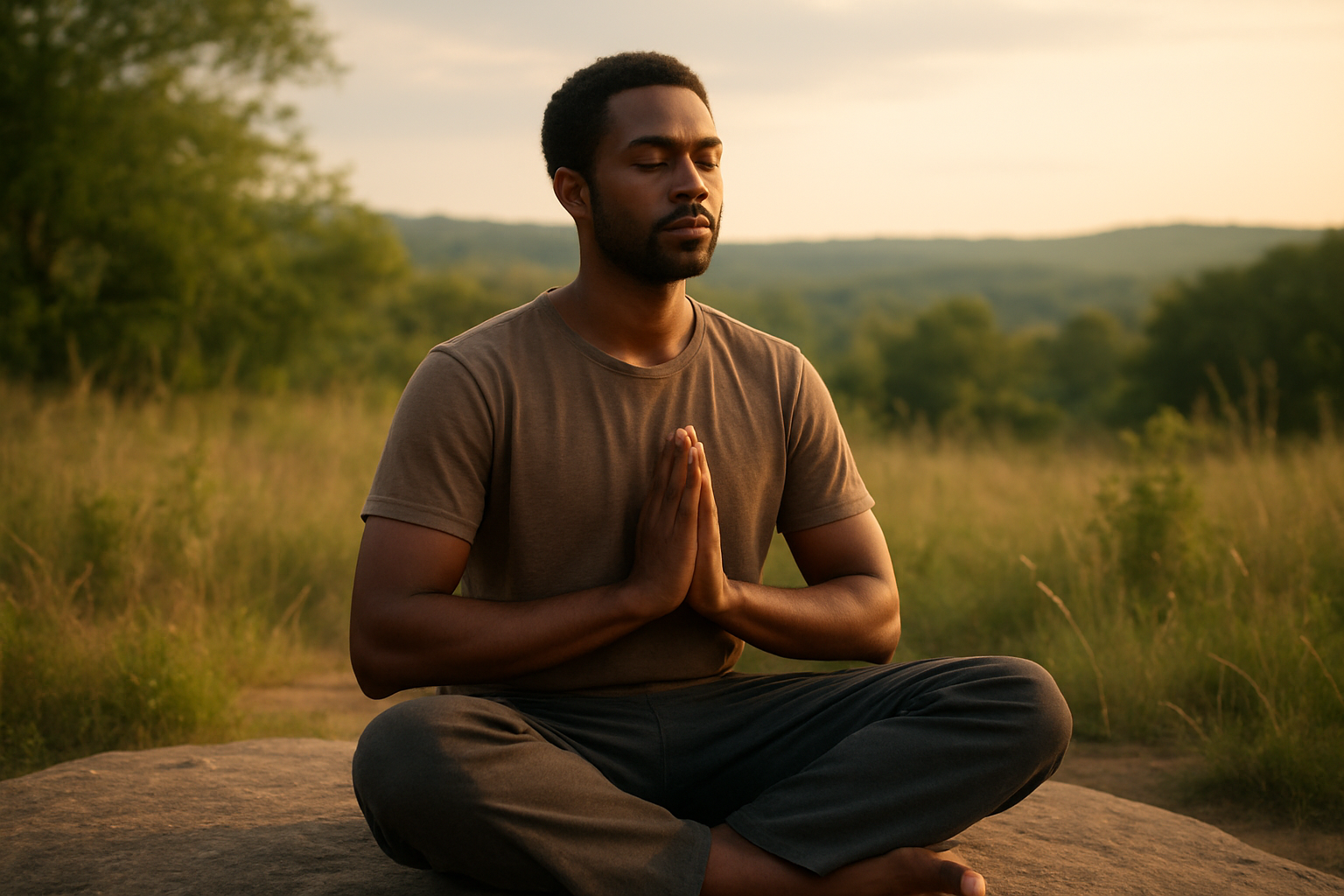
Meditation, an ancient practice with roots in various spiritual and religious traditions, has long been celebrated for its ability to foster peace and self-awareness. However, beyond personal benefits, meditation can also be understood as a form of communion—an act of sitting in stillness and connecting with the deeper essence of life.
At its core, meditation invites practitioners to dwell in the heart of all. This practice transcends personal constraints, embracing a universal sense of consciousness that connects individuals with the world around them. In this space of stillness, many find a sense of oneness, a bond with the universe that is both profound and transformative.
“The more regularly and the more deeply you meditate, the sooner you will find yourself acting always from a center of peace.”
This concept of meditation as communion is echoed in traditions around the globe. For example, in the Buddhist practice of Anapanasati (mindfulness of breathing), the emphasis is on maintaining awareness of the breath as a means of connecting with the present moment and, ultimately, with all beings. This practice fosters a deep understanding that the breath is a shared experience, connecting us all in the cycle of life.
- Interconnectedness: Meditation encourages the realization that all aspects of life are interconnected. By recognizing this, individuals may move towards more compassionate and mindful interactions with others.
- Presence: In cultivating presence, meditation allows individuals to turn inward and reflect on their relationship with the world, fostering a sense of harmony and unity.
- Awareness: Through heightened awareness, one can better perceive the threads that bind humanity together, nurturing empathy and understanding.
In the words of Vietnamese Zen master Thich Nhat Hanh, “Breathing in, I calm my body. Breathing out, I smile. Dwelling in the present moment, I know this is the only moment.” Such teachings illustrate that the act of meditation is not just about personal enlightenment but also involves a communal aspect, where the individual finds solace and grounding within the community of all beings.
By approaching meditation as a form of communion, practitioners may find that they are not merely searching for inner tranquility but are also contributing to the greater universal web of existence. As we sit in stillness, dwelling in the heart of all, we open ourselves to profound insights and connections that resonate across time and space.
For further reading on the transformative power of meditation, explore resources such as Plum Village and the teachings of The Ananda Community.