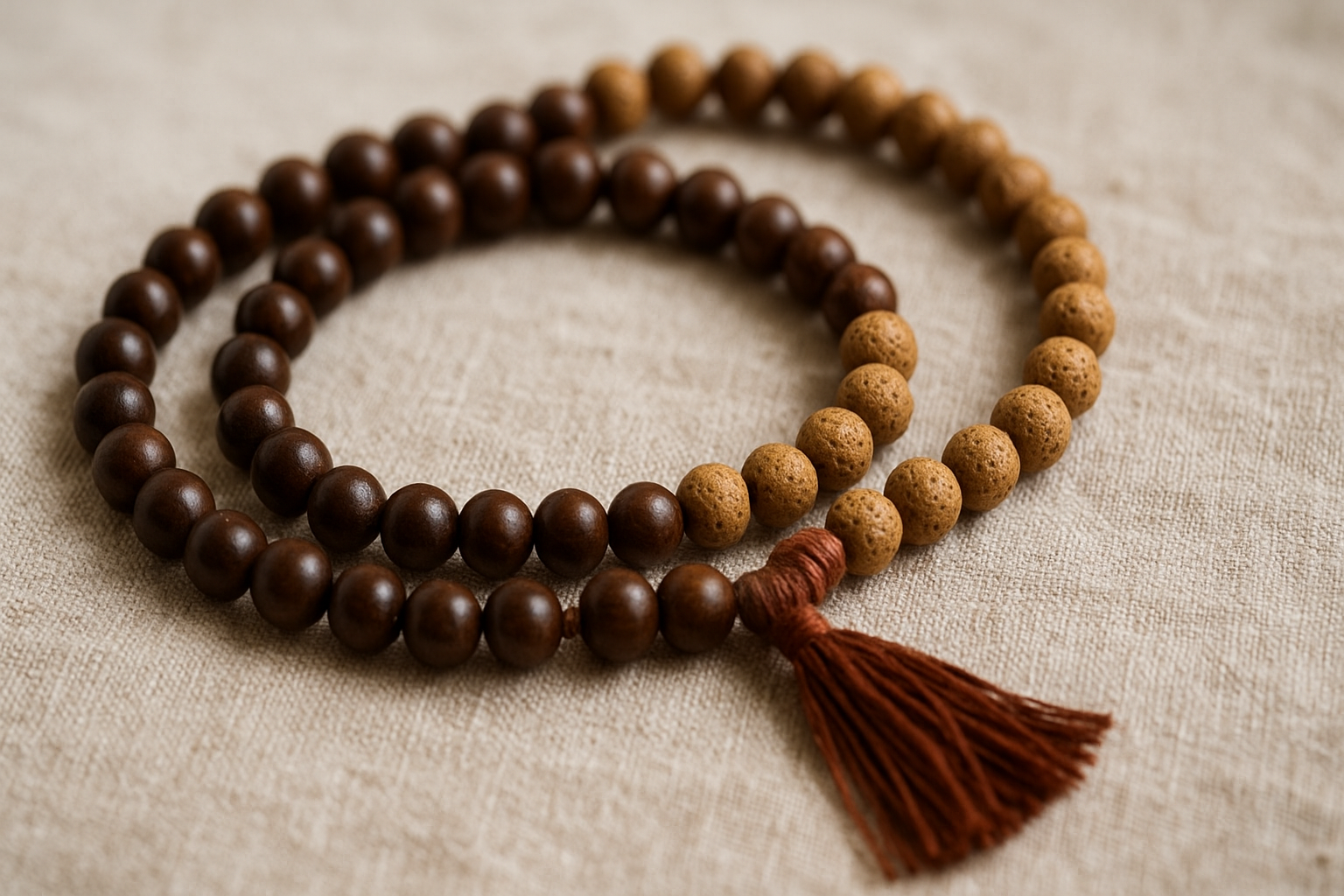
Throughout centuries, humans have sought spiritual solace and focus through various practices, rituals, and objects. Among these, prayer beads and malas hold a significant place across different cultures and religions, providing a tangible means to support meditation, prayer, and communion with the divine. This article explores the multifaceted roles of prayer beads and malas in different spiritual traditions, highlighting their symbolic and practical importance.
The Origins of Prayer Beads
The history of prayer beads is as diverse as the human cultures that have adopted them. Used across the globe, the structured repetition facilitated by prayer beads aids in concentrating the mind and cultivating a deeper state of meditation.
- Christianity: The rosary is perhaps the most famous string of prayer beads in Western Christianity. Each bead represents a prayer and allows the devotee to maintain focus while reciting sequences of mysteries, Hail Marys, and Our Fathers.
- Islam: Known as misbaha or tasbih, Islamic prayer beads generally consist of 99 or 33 beads. They correspond to the 99 names of Allah, facilitating repetitive prayer known as dhikr — the remembrance of God.
- Hinduism: Hindus use a strand known as japa mala, typically composed of 108 beads. The mala is used in the practice of japa meditation, where each bead is counted for each repeated mantra.
- Buddhism: Similarly to Hinduism, Buddhists also use a 108-bead mala. It is employed in chanting mantras, facilitating focus and continuity in meditation.
The Spiritual and Symbolic Significance
While the visual and tactile aspects of prayer beads are essential in maintaining concentration, their symbolism transcends their practical use.
“Prayer beads are not simply a counting tool. They represent a spiritual path in which each bead is a step towards deeper meaning and understanding of the universe.”
— Anonymous
For practitioners, each bead serves as a placeholder for a deeper truth or spiritual insight. They symbolize the journey toward enlightenment and act as physical reminders of commitment to one’s practice and beliefs.
Counting Breaths and Prayers
Breath has been a focal point in many meditation practices worldwide. Coupling the power of mindful breathing with the tactile experience of using prayer beads integrates mind, body, and spirit.
- Counting Breaths: Reflective of longer meditative practices, each bead can represent a deep, mindful breath, anchoring the practitioner in the present moment. Focusing on inhalation and exhalation, coupled with the rhythmic movement of beads through the fingers, can bring clarity and peace.
- Counting Prayers: Every bead becomes an occasion for prayer or mantra recitation, amplifying spiritual intention. Whether silently or audibly, this practice allows for profound internal and external resonance.
Touching Presence: The Tactile Connection
Beyond their symbolic and spiritual implications, prayer beads provide a tactile foundation that is crucial for anchoring oneself in the practice. The texture and feel of the beads moving through one’s fingers offer a grounding effect, creating a tangible connection with the divine essence.
“Touch is one of the first senses to develop in the womb, and one of the critical parts of our spiritual connection. When we touch each bead, it’s akin to touching the sacred mystery itself.”
— Pema Chödrön
The continued use of prayer beads throughout history highlights their unparalleled ability to support spiritual growth and offer comfort. As an extension of one’s spiritual practice, they serve not only as a counting tool but as a conduit for divine connection and introspection.
Conclusion
Both ancient and modern practices affirm the importance of prayer beads and mala across varying religions and spiritual disciplines. They provide a structured, physical method for cultivating presence, directing intention, and engaging deeply with spiritual truths. Whether used for counting breaths, prayers, or intentions, they remind practitioners of the sacred path they tread upon and foster an enduring connection with the sacred divine.
In today’s frenetic world, these humble strings of beads offer profound ways to unwind, focus, and deepen one’s relationship with oneself and the cosmos, reaffirming their timeless significance.
For further reading, explore the extensive history and practices surrounding prayer beads in BBC’s guide to Prayer Beads.