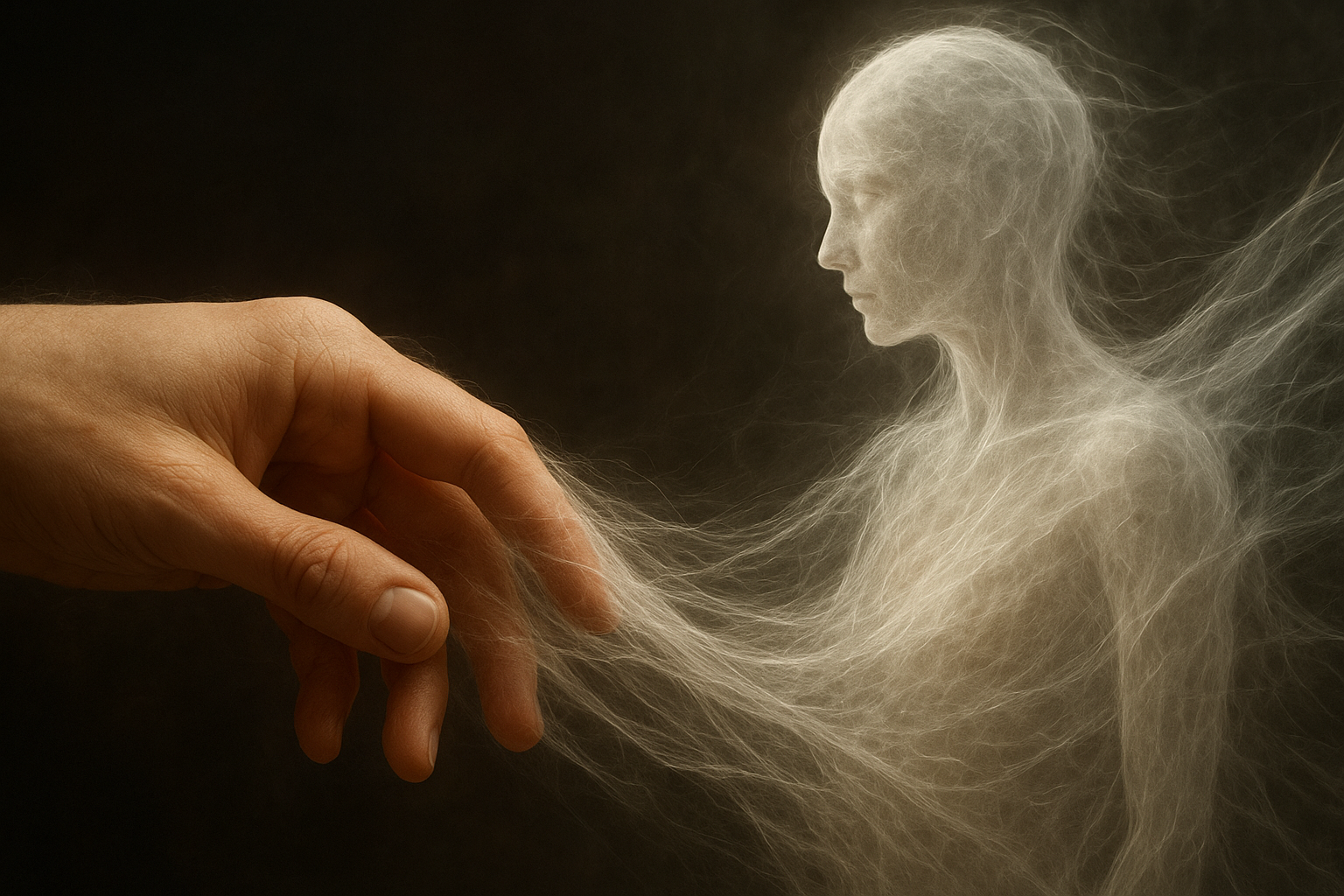
Incarnation and Interbeing: Flesh and Spirit Woven into One Fabric
The mystical union of flesh and spirit has long captured the human imagination, seeking to harmonize what often seems like disparate elements of existence. In religious and philosophical traditions, the concepts of incarnation and interbeing offer profound insights into this integration. The ideas transcend mere theoretical musings, offering a lived experience where matter and spirit are intertwined, informing the way humans relate to themselves, others, and the universe.
The Concept of Incarnation
In religious contexts, incarnation typically refers to the divine taking on human form. In Christianity, for example, the doctrine of incarnation is central, illustrating how God becomes flesh in the figure of Jesus Christ. The Catholic Encyclopedia explains, “The dogma of the Incarnation signifies that the Son of God assumed human nature and so the spirit and material world converge in a single entity.”
This act of divine embodiment speaks to the sacredness of the human experience. It suggests that the material world isn’t a barrier to spiritual existence but rather the playing field upon which divine mysteries unfold.
The Philosophy of Interbeing
While incarnation might start from a divinely spiritual perspective, interbeing offers a complementary view that emerges from Buddhist teachings. Coined by renowned Vietnamese Zen Master Thich Nhat Hanh, interbeing describes the interconnectedness of all things. According to him, “to inter-be means to reflect the nature of everything in the cosmos, living harmoniously with the realization that we are interconnected.”
Interbeing teaches that every entity—sentient and non-sentient—shares a universal essence. It underscores the realization that nothing exists in isolation but is part of a vast, intricately woven web of life. This understanding encourages compassion and mindfulness, fostering a deep sense of connection with all forms of life.
The Unified Fabric
When considered together, incarnation and interbeing draw a rich tapestry where flesh and spirit are not separate or contradictory but are woven into one fabric. This perspective invites a holistic understanding of existence, where claiming one’s sacredness involves embracing both corporeal and ethereal dimensions.
“Every step we make has the power to enhance our joy or increase our suffering… every act of kindness or cruelty helps to weave the fabric of our collective existence.” – Thich Nhat Hanh
Embracing both incarnation and interbeing provides a transformative framework for living in harmony with the world. It challenges individuals to recognize the sacred within and around them, to live deeply with awareness, and to cherish the profound unity that encompasses the cosmos.